I spent last Saturday morning in the back room at Switchback Sports | Ski & Bike Shop in Park City, running a finger along the edge of a used ski. You can learn a lot from that one motion. A smooth, consistent edge means the skis were cared for. A burr or a concave spot means someone skied them hard and put them away wet.
What a Demo Ski Actually Is
A demo ski isn't a broken ski. It's a ski that spent a season or two being rented out, tuned regularly, and then retired from the fleet. You'll see listings like the 23/24 Atomic Bent Chetler 100 with a base that's still flat and edges that hold an 88-degree angle. That's a sign the shop did its job. A demo ski can be a smart buy for someone who wants a premium model at a lower price point.
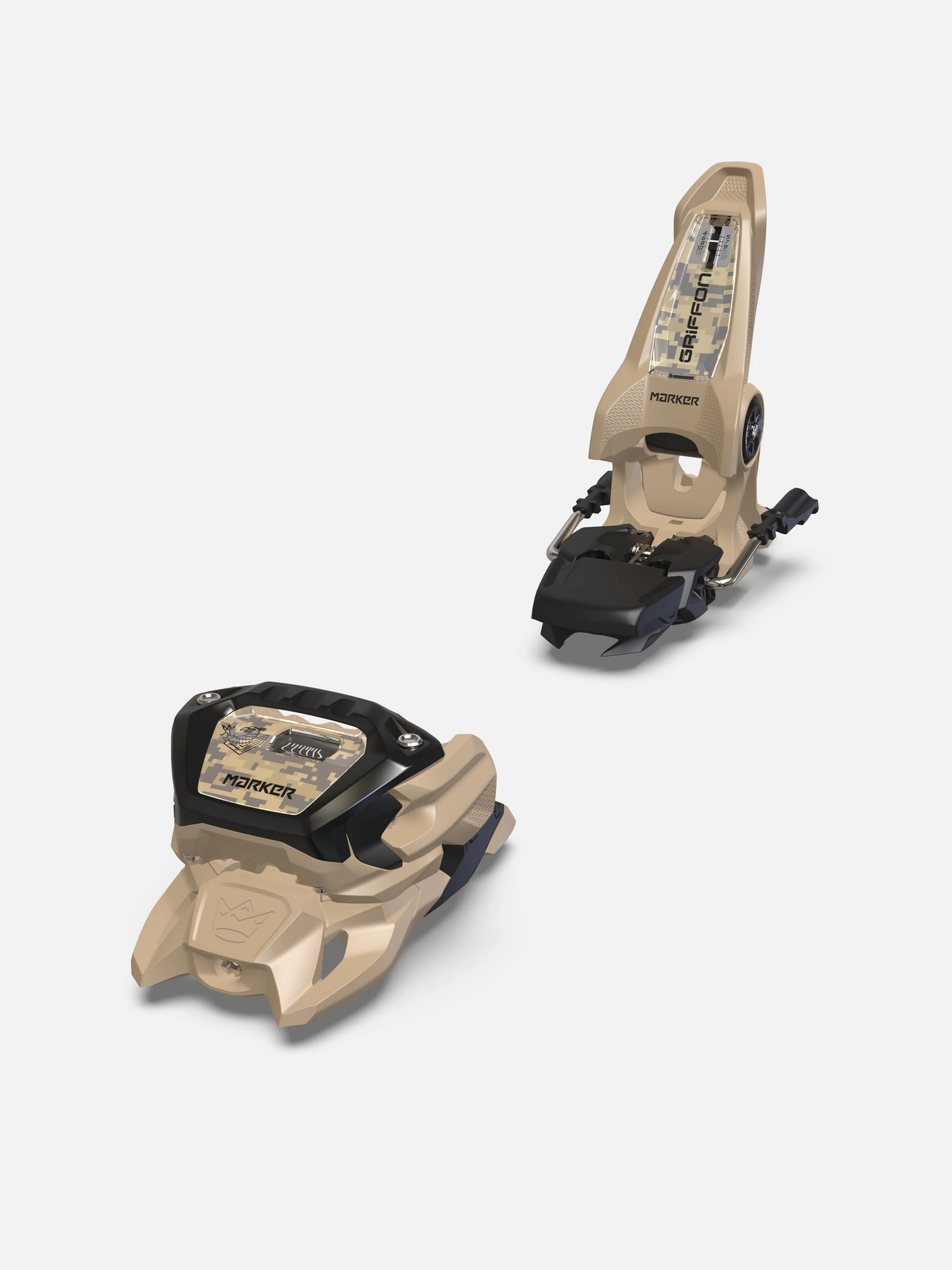
When you look at a used pair, check three things: base flatness, edge thickness, and binding condition. Run a true bar or a straight edge along the base. If you see light under the middle, the ski is railed or base high, and it'll feel unpredictable on hardpack. Look at the edges near the tip and tail. If they're thin enough to flex with your thumb, they're close to done. And ask about the bindings. A ski like the Volkl Secret 102 W's Flat 2024 comes flat, so you'd pair it with something like a GRIFFON 13 ID binding. If the bindings on a used ski are older than ten years, most shops won't test them.
Demo skis from a shop like ours get a full tune before they go on the rack. That's not the same as buying from a stranger online, where you're guessing about the history. If you can put your hands on the ski, do it.
Youth Outerwear Sizing: Buy for Next Year, Not Last
Kids grow. That's the whole problem with youth outerwear. A jacket that fits perfectly in December might be a crop top by March. The trick is to buy for the size they'll be in February, not the size they are in October.
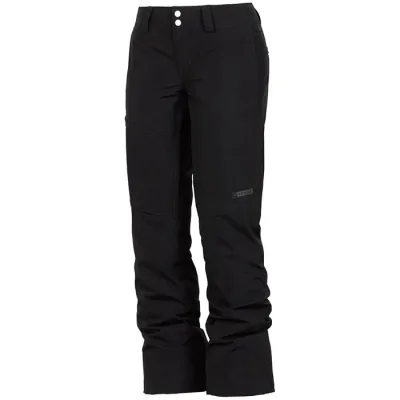
Take the Boulder Gear Youth Ravish Pant. If your kid is between sizes, size up. You can cinch the waist and roll the cuffs, but you can't add length to a sleeve. Same with the Youth Lyric II Jacket: check the sleeve length with their arms straight out. If the cuff hits mid-forearm, it's too small. If it covers the knuckles, it's probably right for a season.
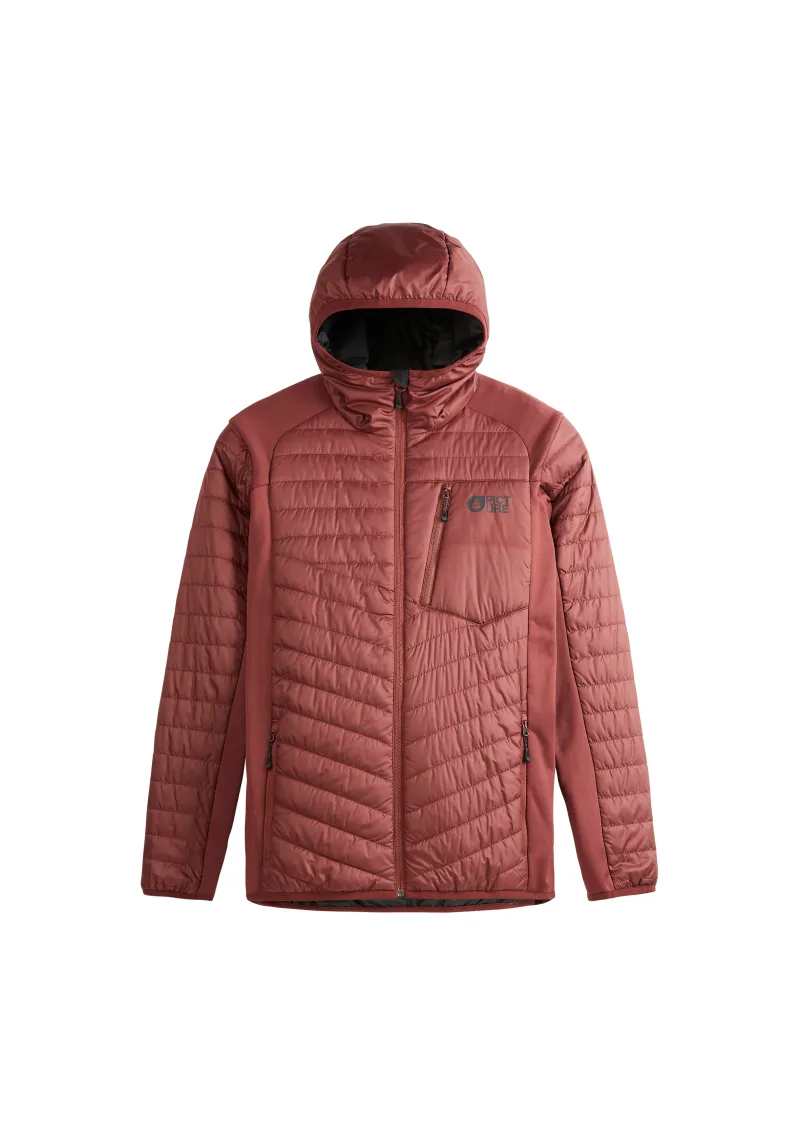
One more thing: layers matter more than bulk. A thin fleece under a shell beats a thick insulated jacket for a kid who runs hot on the lift and cold on the ride down. The Picture Organic Cossmo Jacket is a good example of a shell that works with a midlayer, while the Miniakin Jacket has more built-in warmth for kids who feel the cold.
Shells vs. Insulated Jackets: Two Different Days
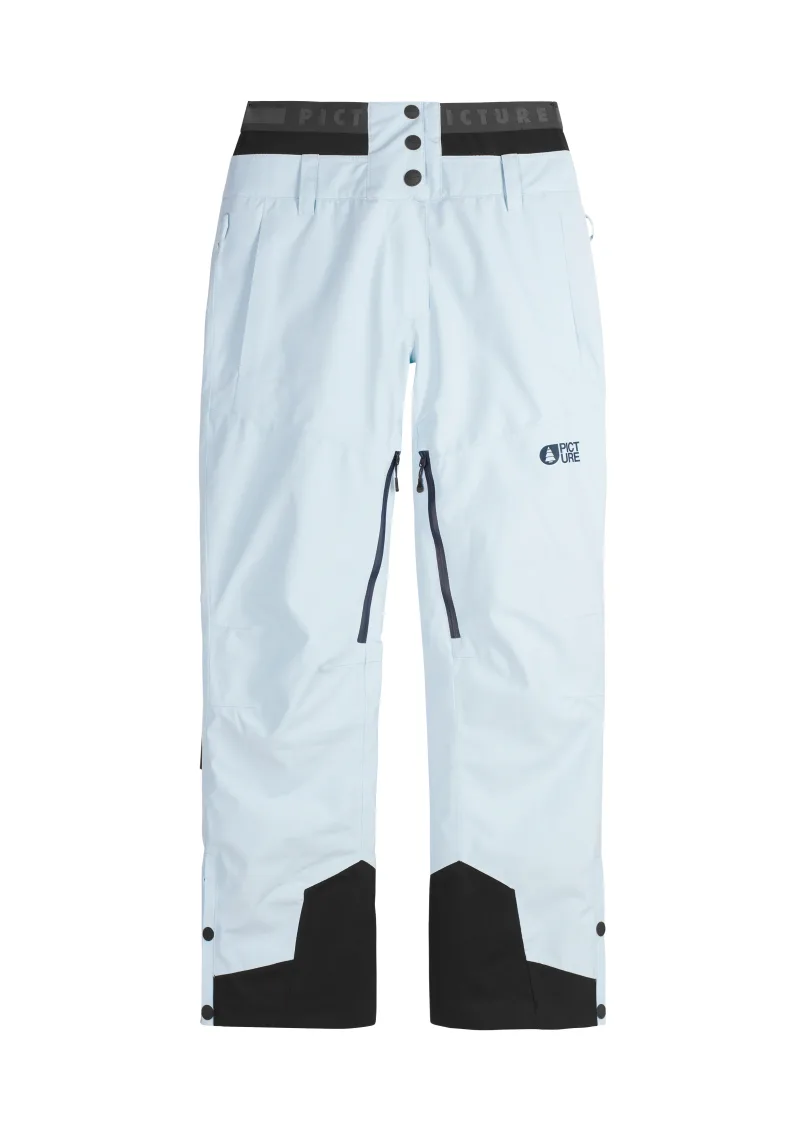
I own both. On a bluebird day in the low 20s, I'm in a shell with a grid fleece underneath. On a storm day with wind, I want insulation. The Picture Takashima Jacket is the kind of shell you can wear in April with a t-shirt and in January with two layers. Insulated jackets like the Armada Trego 2L GoreTex Insulated Pants or the Picture Exa Pant - Women's are simpler: you put them on and you're warm.
The mistake people make is buying an insulated jacket for resort skiing and then overheating on every groomer. If you ski hard, you'll sweat. A shell lets you dump heat through pit zips. If you're mostly cruising with the family, insulation is fine.
Small Accessories That Vanish
Beanies, goggles, and gloves disappear. I've lost three this season. A beanie like the Armada Cord Lock Fleece stays put because of the cord lock, and a reversible one like the Birdsey Reversible gives you two looks for one price.
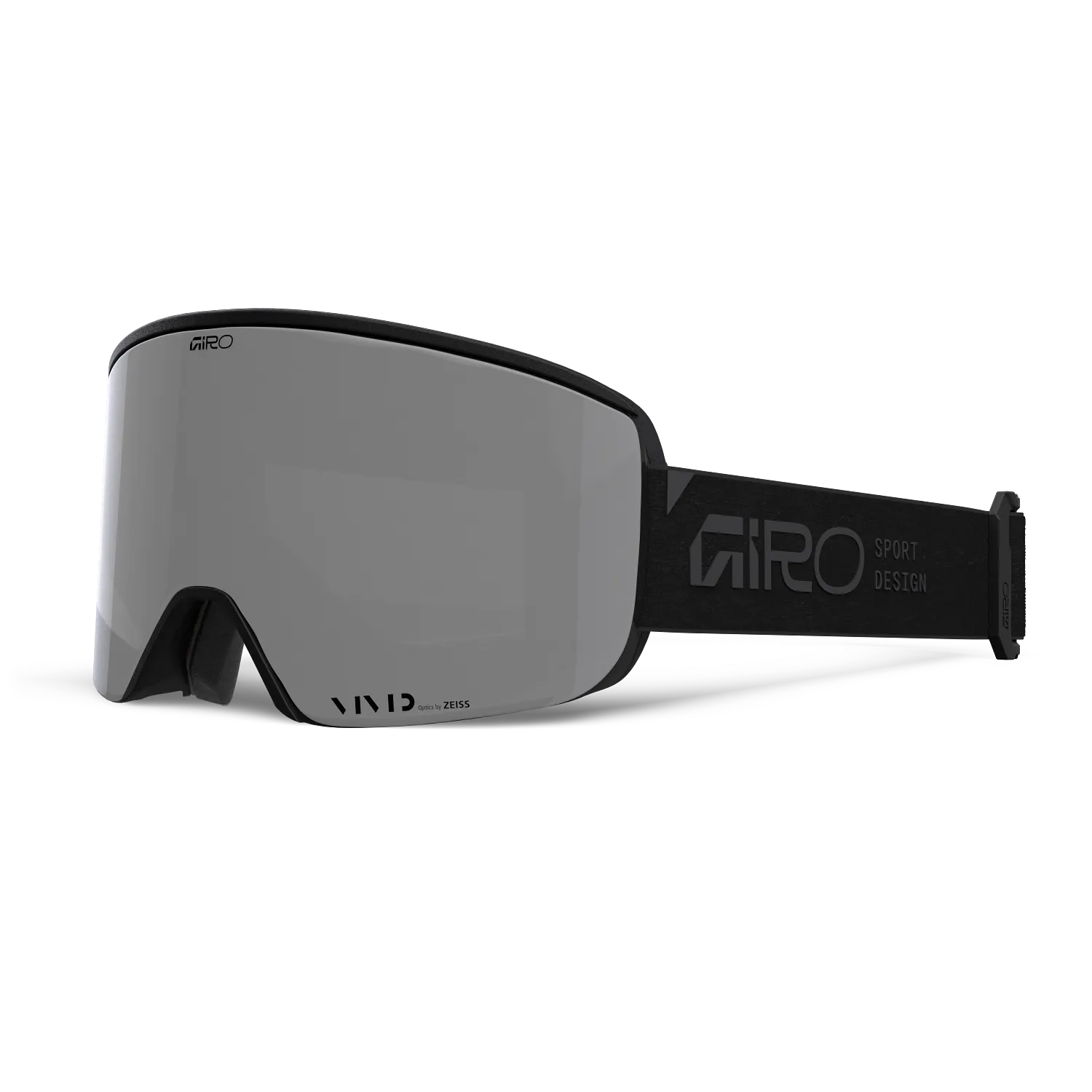
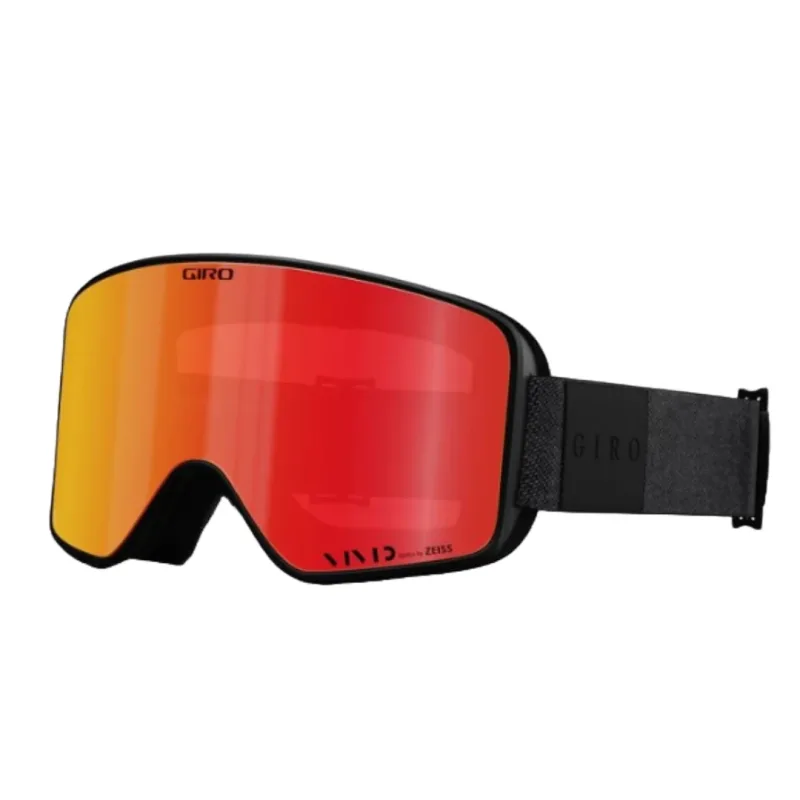
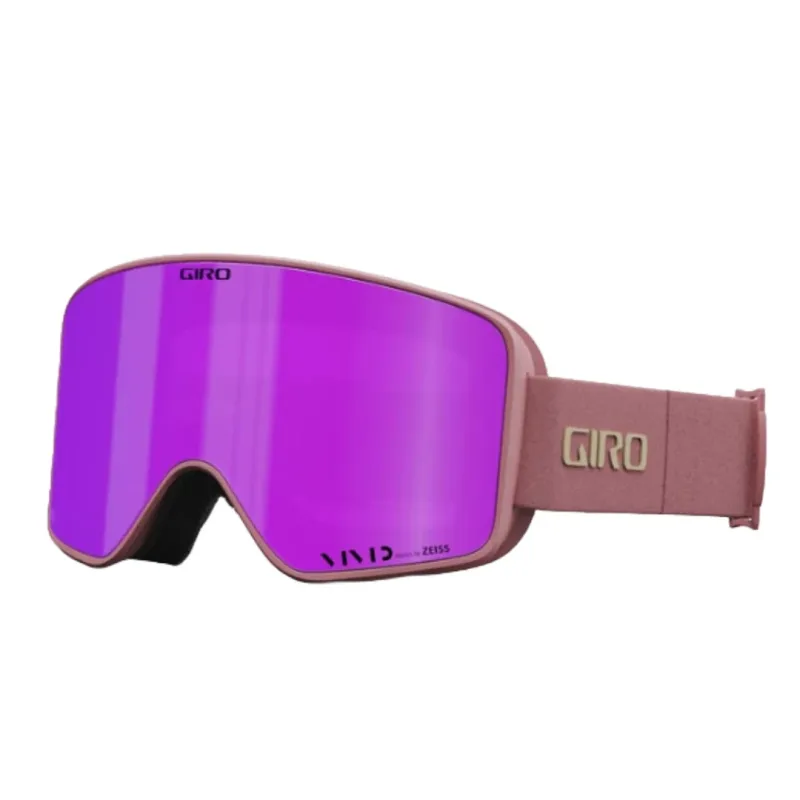
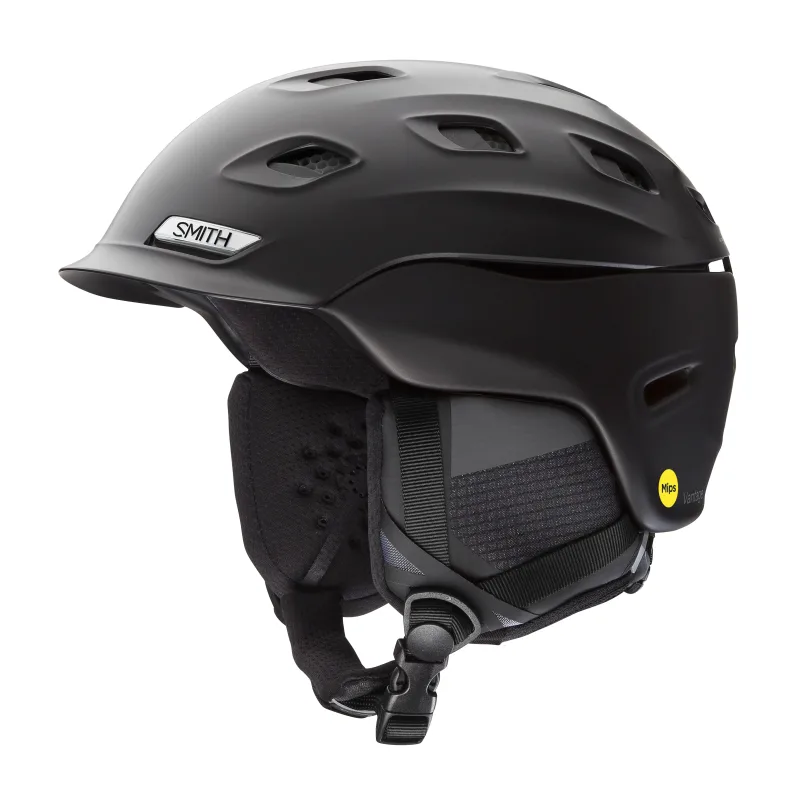
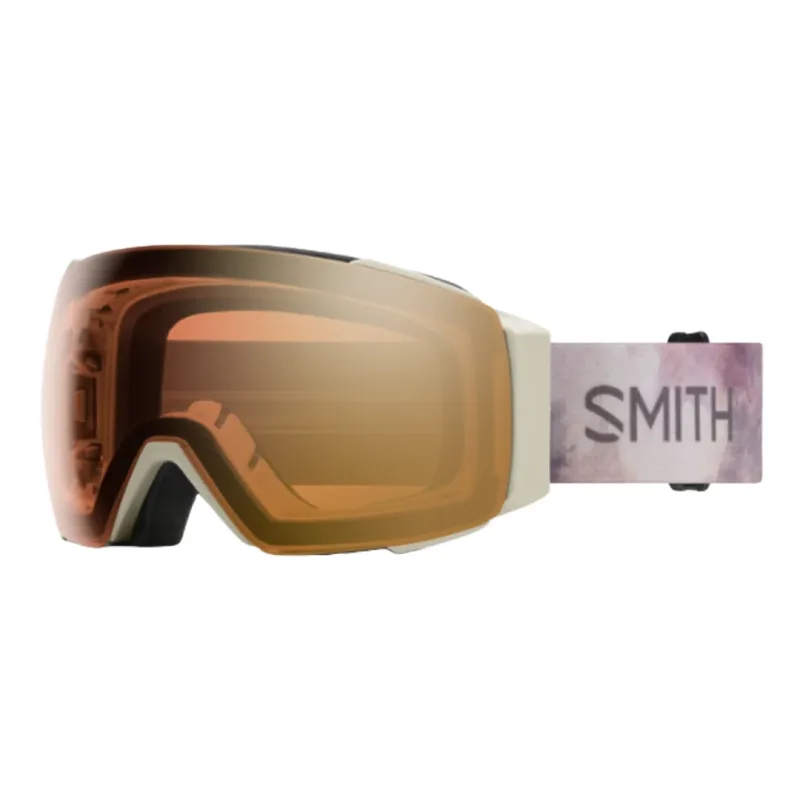
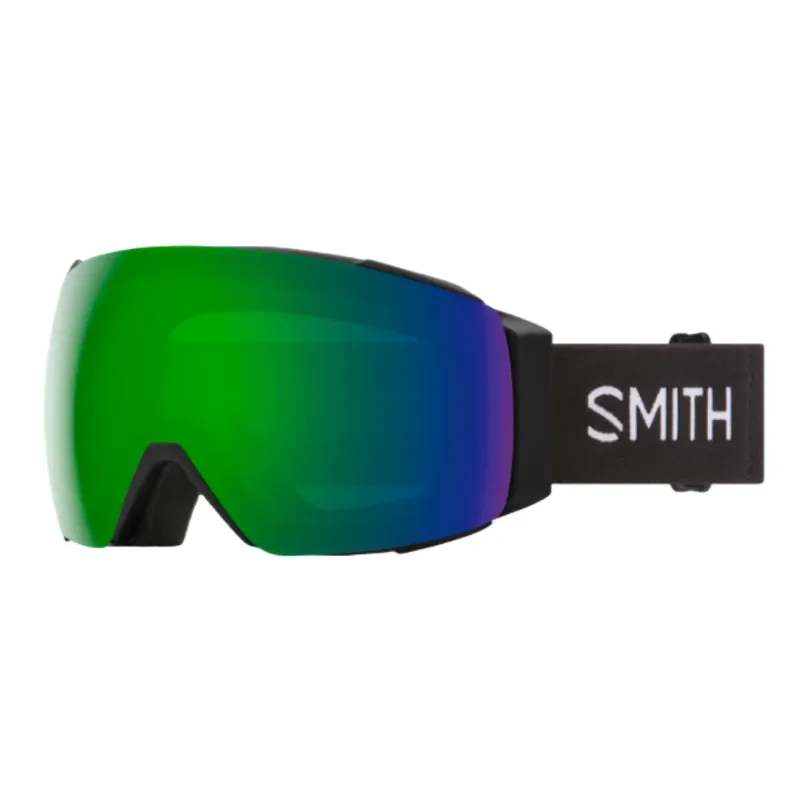
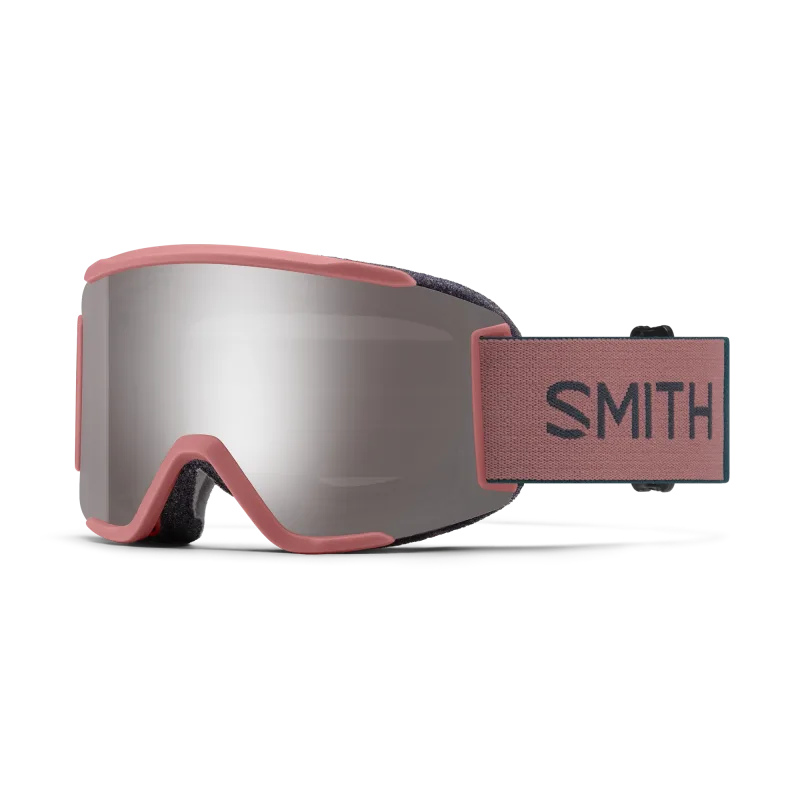
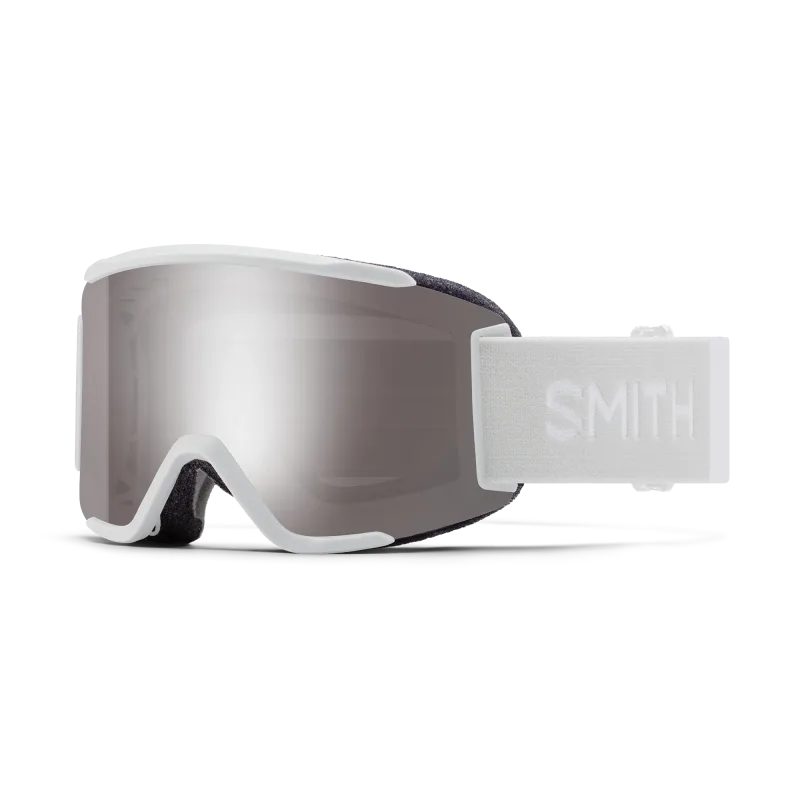
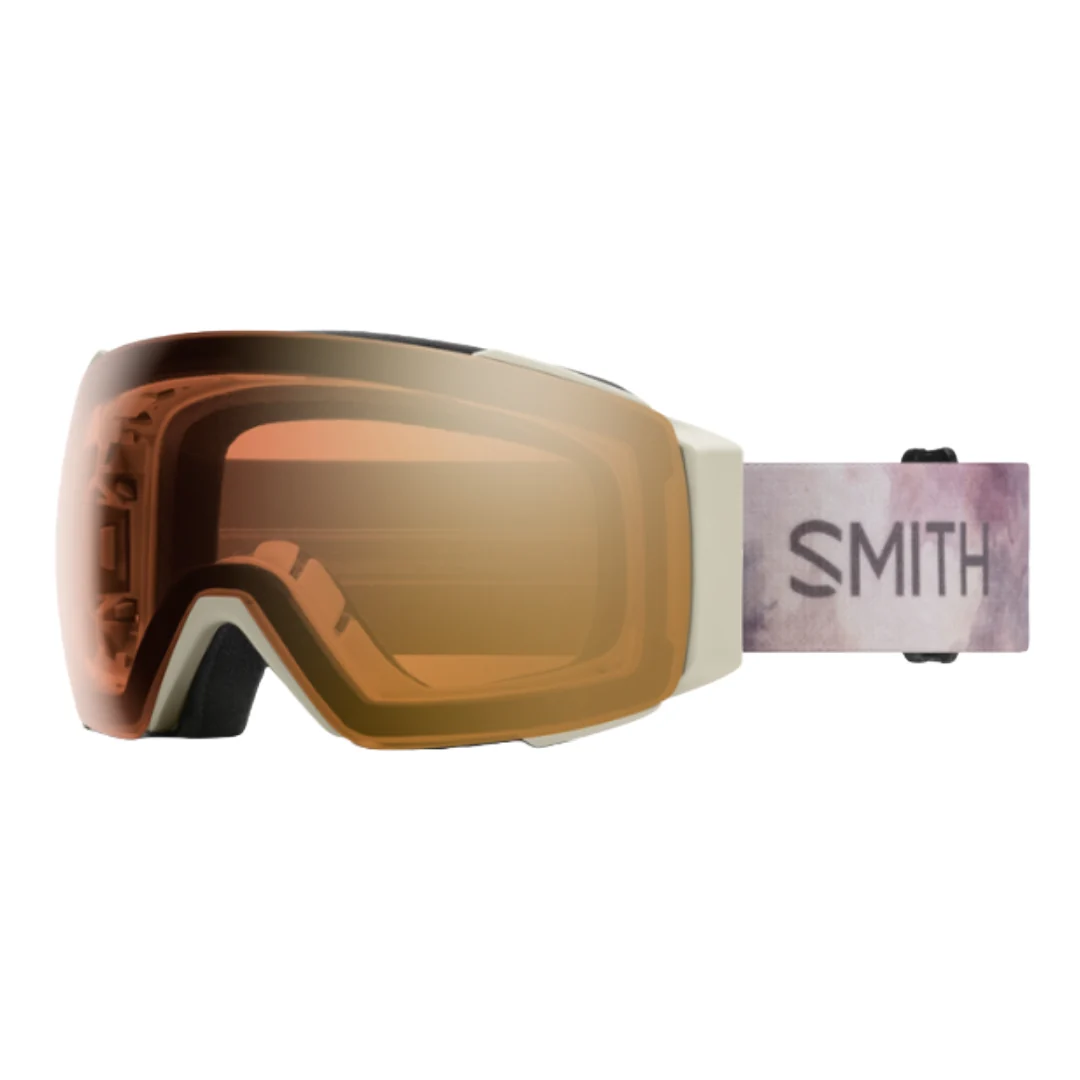
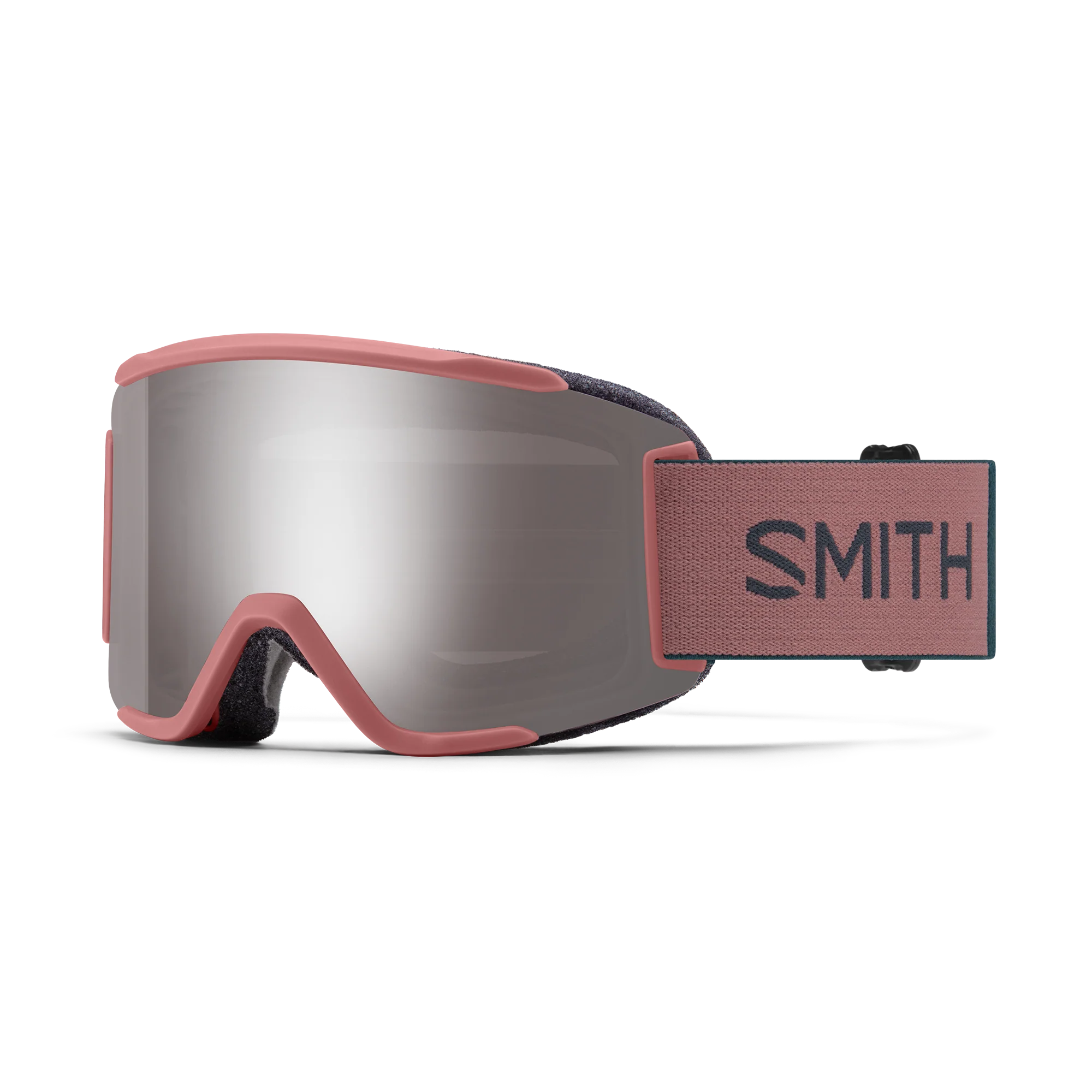
Goggle and helmet fit is where people get frustrated. A Giro Jackson Mips® Helmet has a rounded profile that pairs well with Giro goggles like the Giro Axis Goggle or Giro Method Goggle. Smith helmets like the Smith Vantage Mips® Helmet work best with Smith goggles such as the Smith I/O MAG or Smith Squad S. The gap between helmet and goggle should be zero. If you can fit a finger in there, you'll get a cold forehead on the chair.
When to Buy Used and When to Pay Full Price
Used makes sense for skis you'll beat up, kids' gear they'll outgrow in one season, and backup items like a second pair of goggles. Pay full price for boots that fit your foot shape, helmets that haven't been crashed in, and a jacket you'll wear a hundred days. At our shop in Park City, we'll tell you straight which is which. Bring your old gear in and we'll look at it with you.