Build a Kit That Works on Any Mountain Day
Walk into any ski shop and the wall of jackets, pants, helmets, and skis can feel overwhelming. The good news is that a solid setup comes down to a few decisions: how you layer, what shell you choose, how your helmet and goggles fit together, and which skis match your style. This guide walks through each piece so you can shop with confidence — whether you ride in Park City or chase storms anywhere in the Rockies.
Start With Layering: The Fleece Vest and Midlayer
Layering is the single biggest factor in staying comfortable. A shell blocks wind and snow, but the warmth comes from what you wear underneath. On cold days, a midlayer traps heat; on warm spring days, you strip down to a base layer and shell.
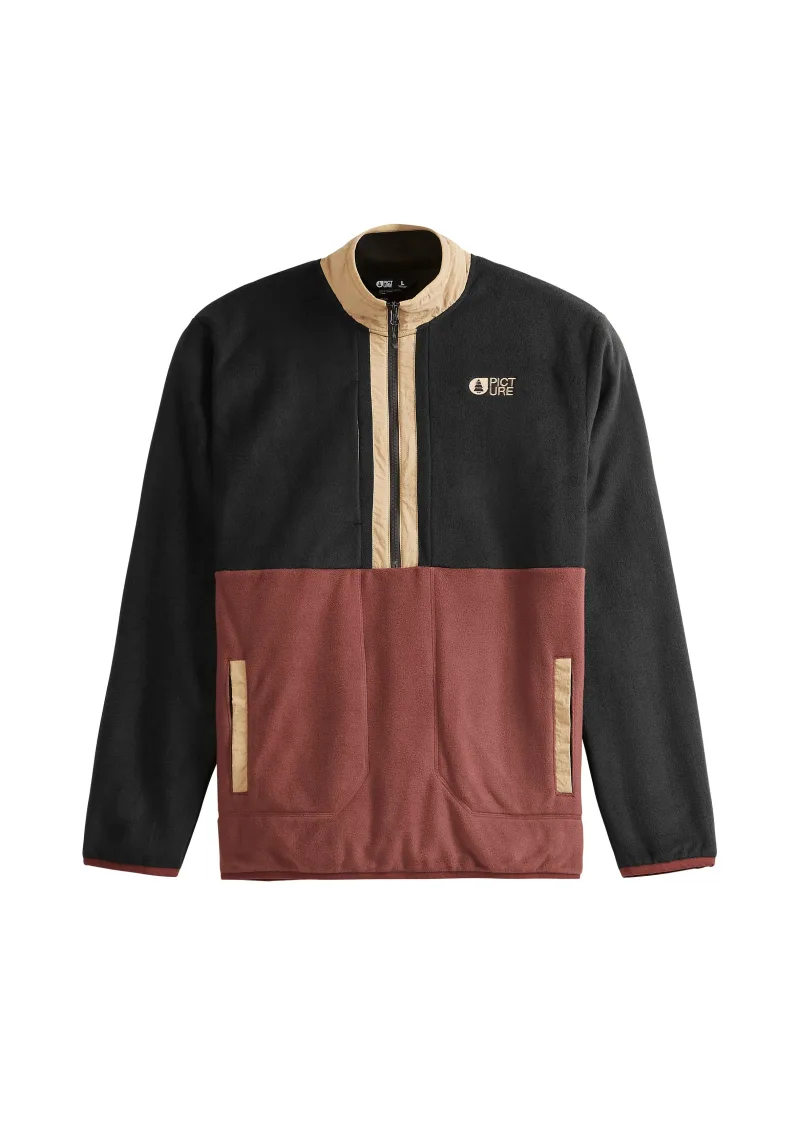
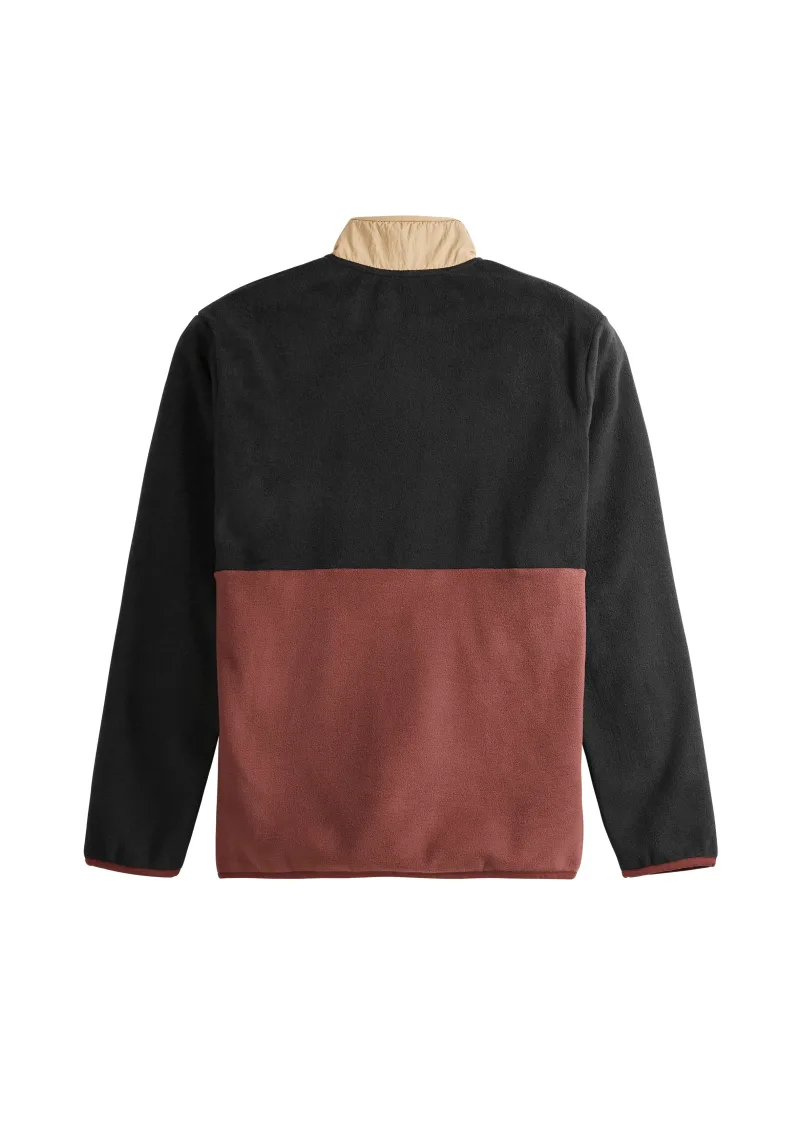
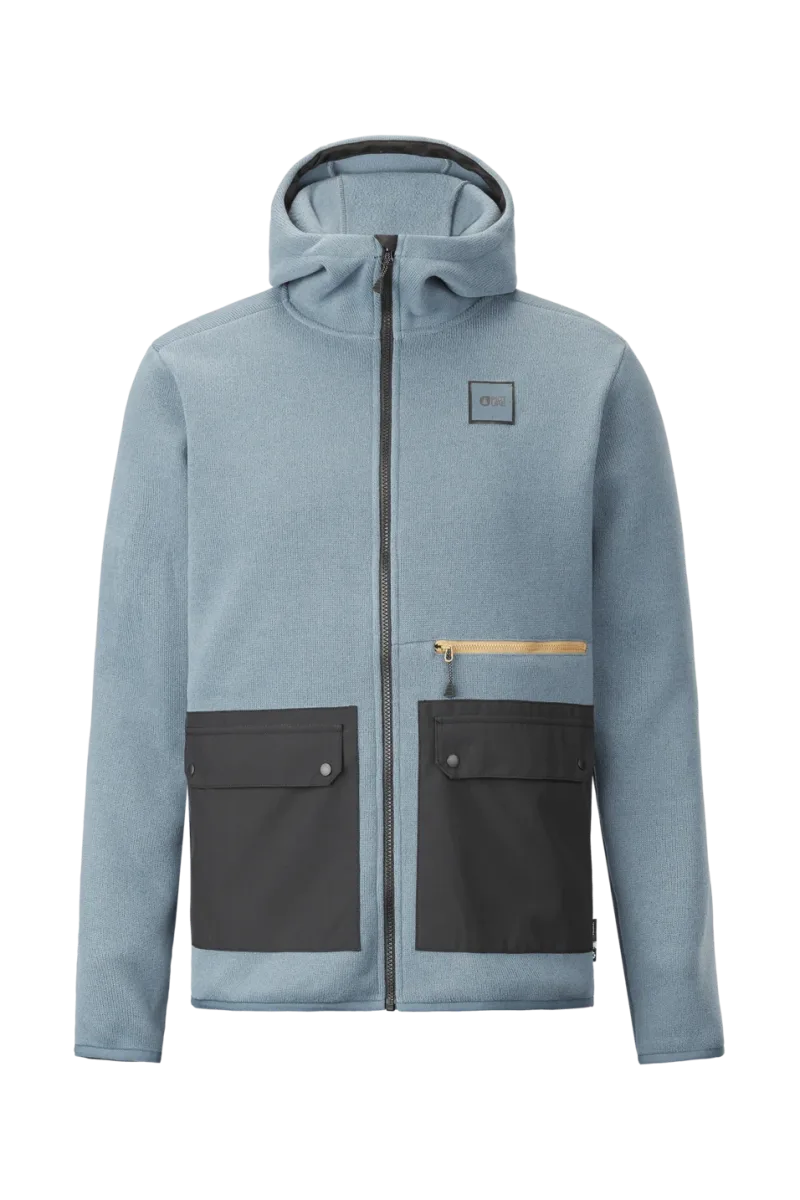
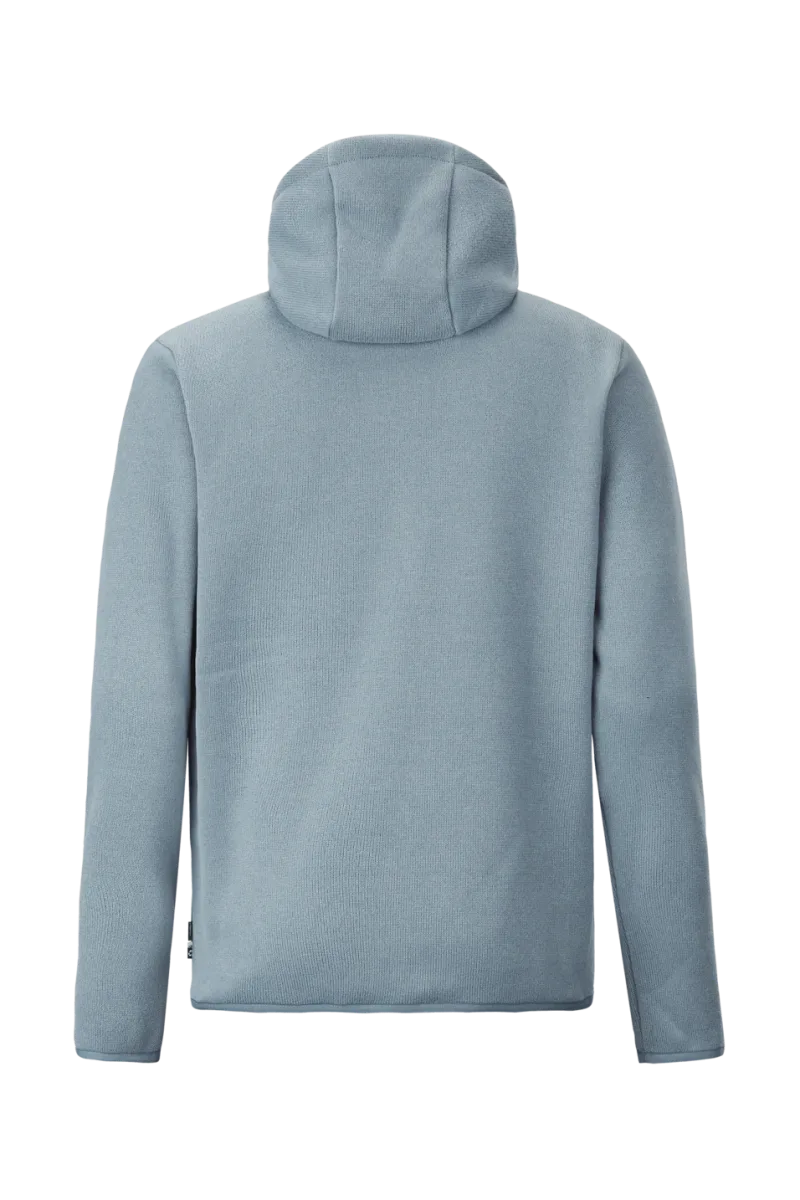
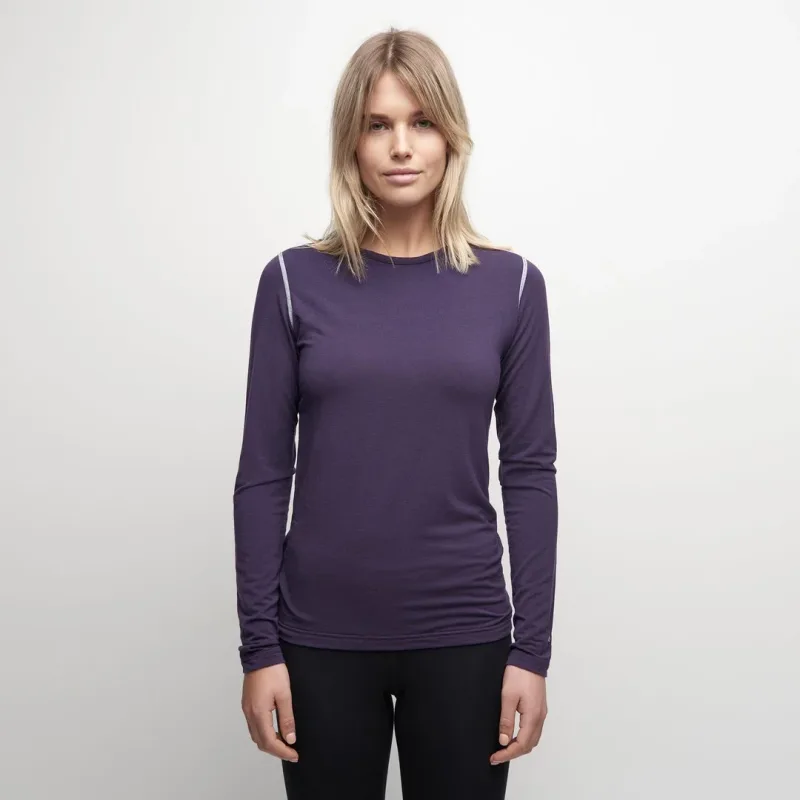
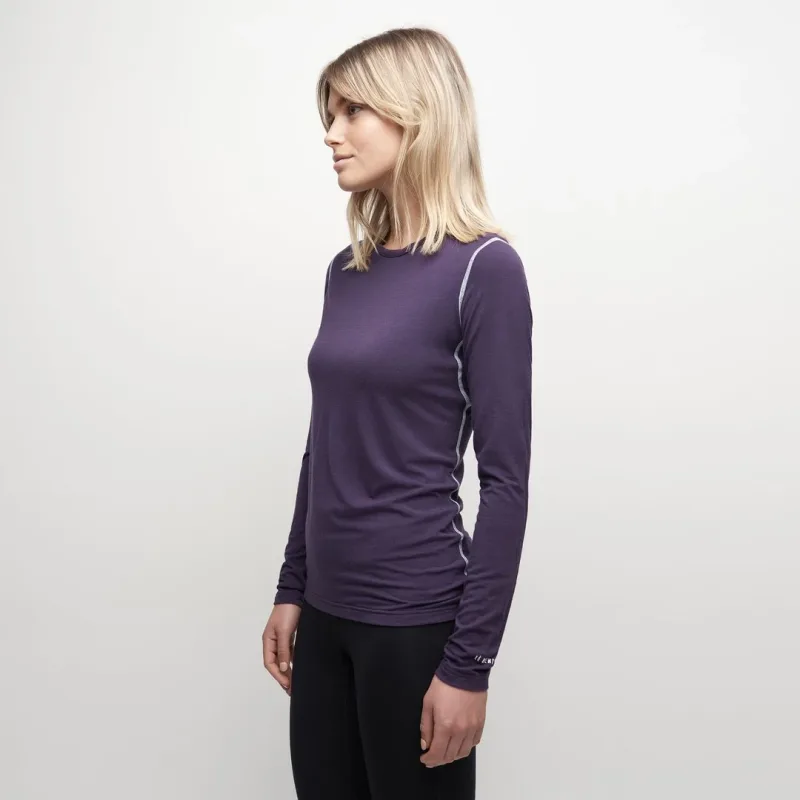
A fleece vest is one of the most versatile pieces you can own. It keeps your core warm while leaving your arms free to move, which matters when you are poling across a flat traverse or adjusting bindings. The Picture Mathew 1/4 Fleece and the Picture Ambroze Fleece both work well as midlayers under a shell or on their own during spring laps. For a base layer that manages moisture, the Le Bent Women's Crew 200 Nightshade is a merino option that resists odor across a multi-day trip.
Jackets and Pants: Matching Shell to Conditions
Jackets and pants do the heavy lifting against weather. Look at three numbers: waterproofing, breathability, and insulation. A 2L or 3L shell with a high waterproof rating handles wet storms; an insulated jacket is simpler for cold, dry days.
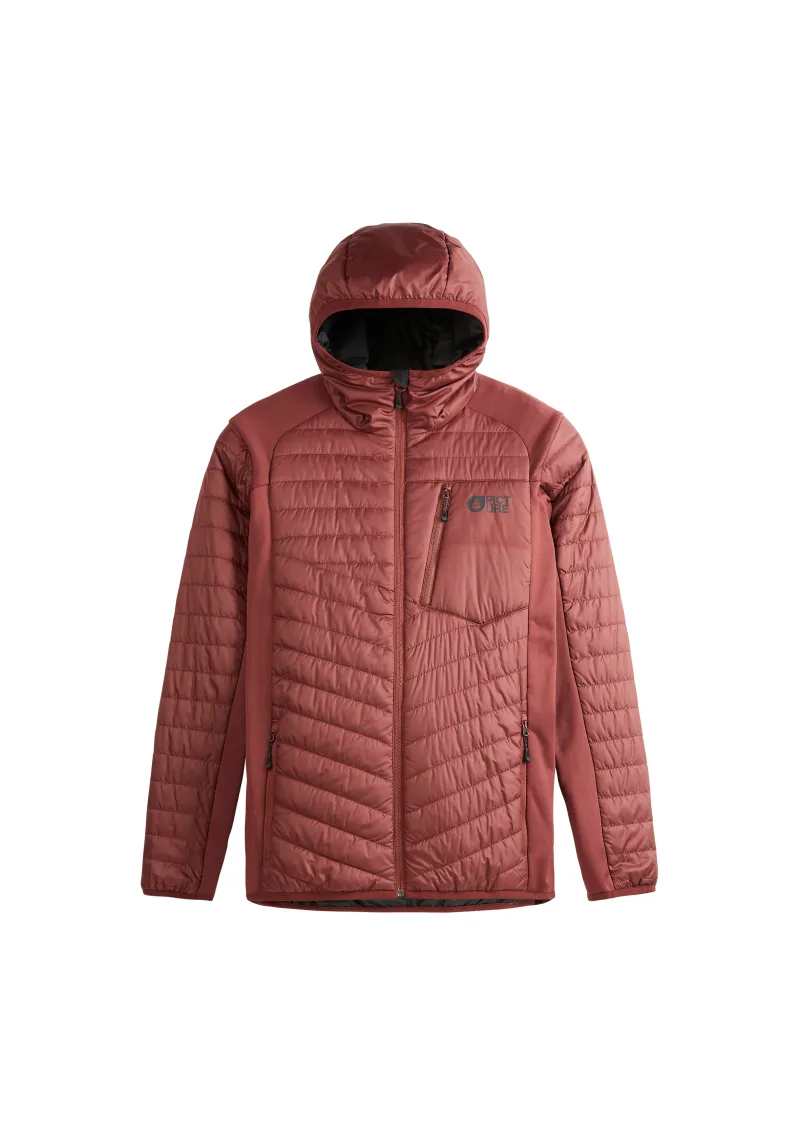
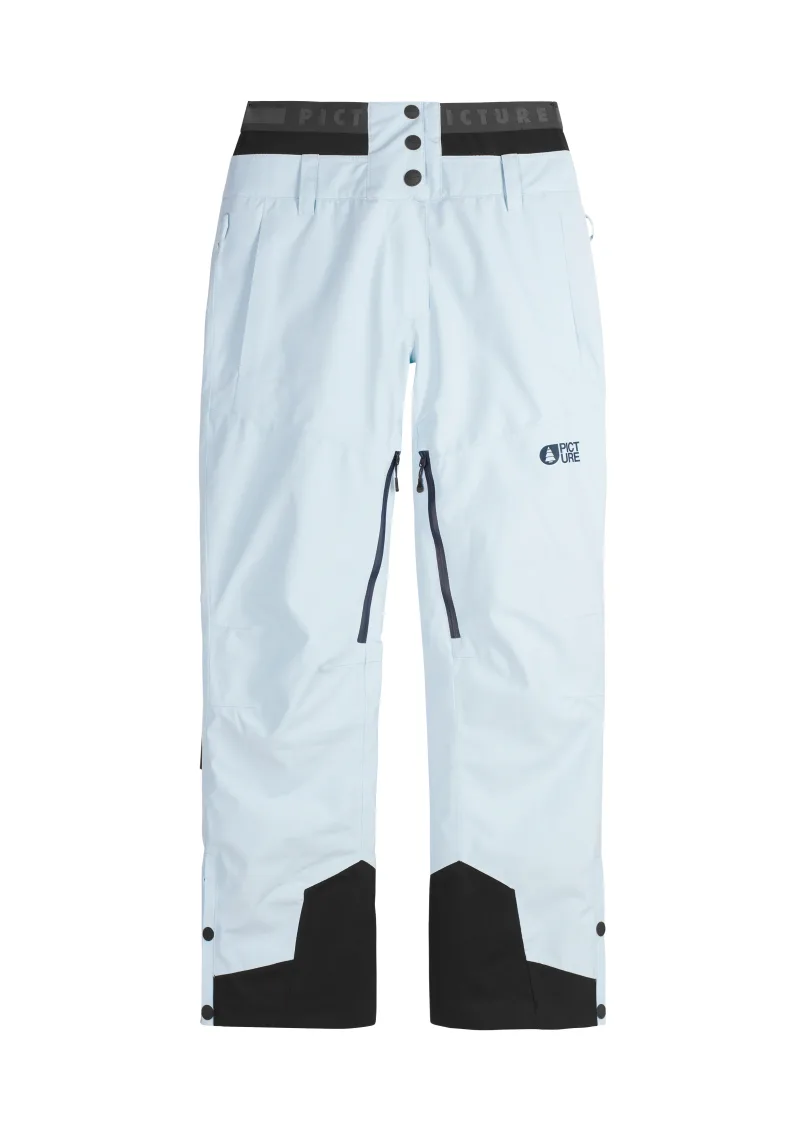
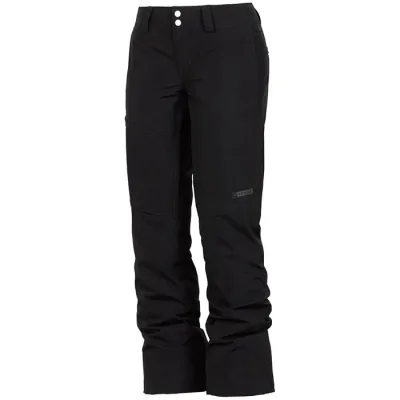
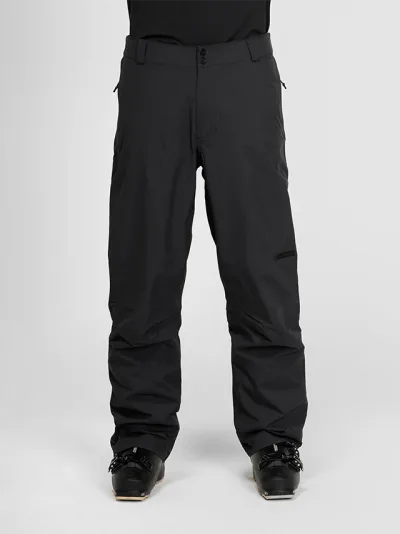
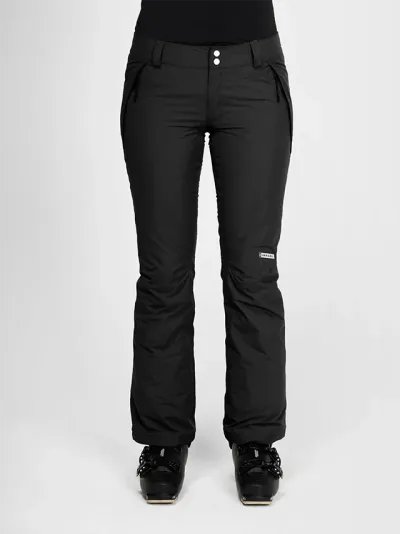
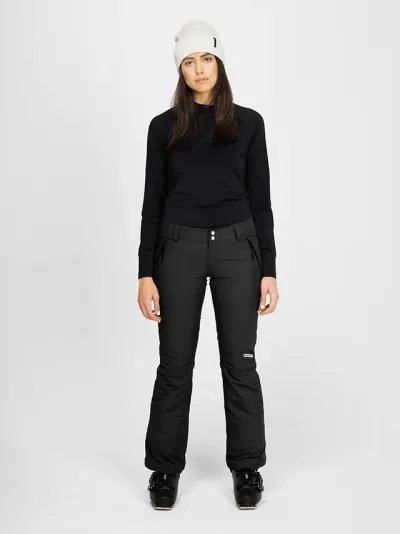
For a technical shell that layers cleanly over fleece, the Picture Takashima Jacket pairs well with the Picture Exa Pant - Women's for a coordinated women's setup. Riders who want burly protection should look at the Armada Trego 2L GoreTex Insulated Pants, while the Armada Chairman Pants and Armada Brae Pants offer clean styling for park and groomer days.
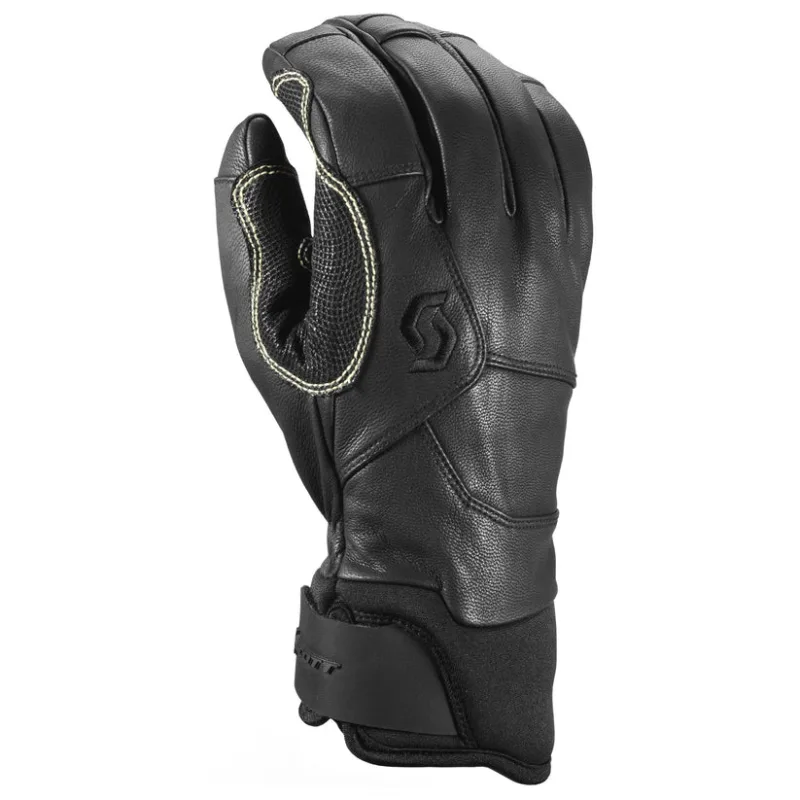
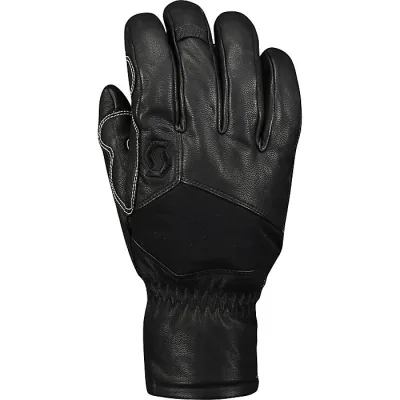
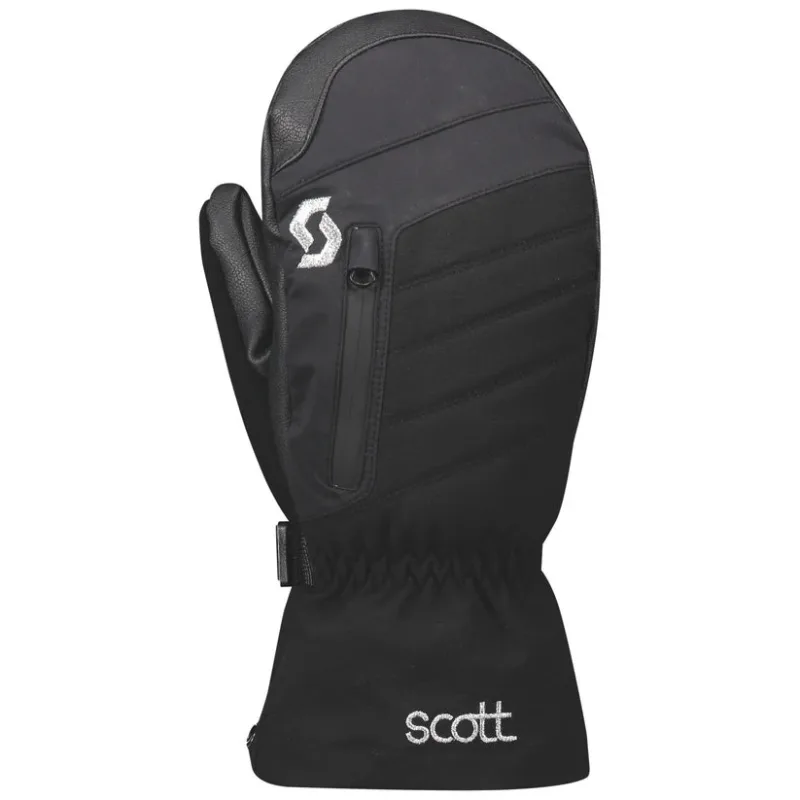
Don't overlook your hands. Gloves and mittens fail faster than any other piece of gear. The Scott Explorair Premium GTX Glove and Scott Explorair Plus Glove are waterproof options for adults, while the Scott W's Ultimate Pro Mitten keeps fingers warmer on frigid days.
Helmets and Goggles: Fit Comes First
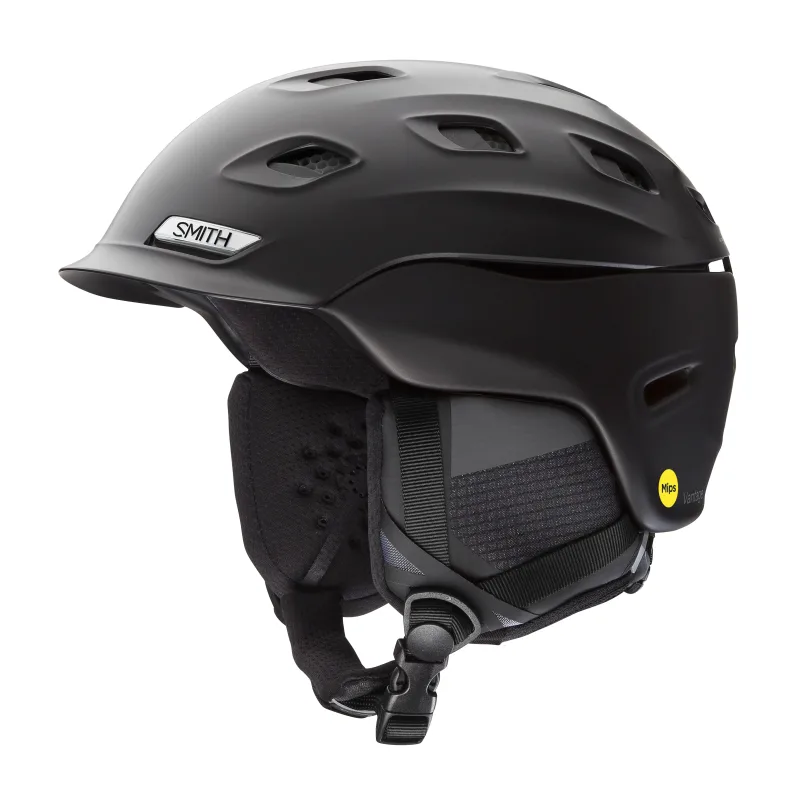
Helmets are not one-size-fits-all. Measure your head circumference, then try on several brands — shell shapes differ, and a helmet that fits one person perfectly may pressure another. MIPS-style protection adds a low-friction layer designed to reduce rotational forces in a fall, which is why you see it across so many modern models.
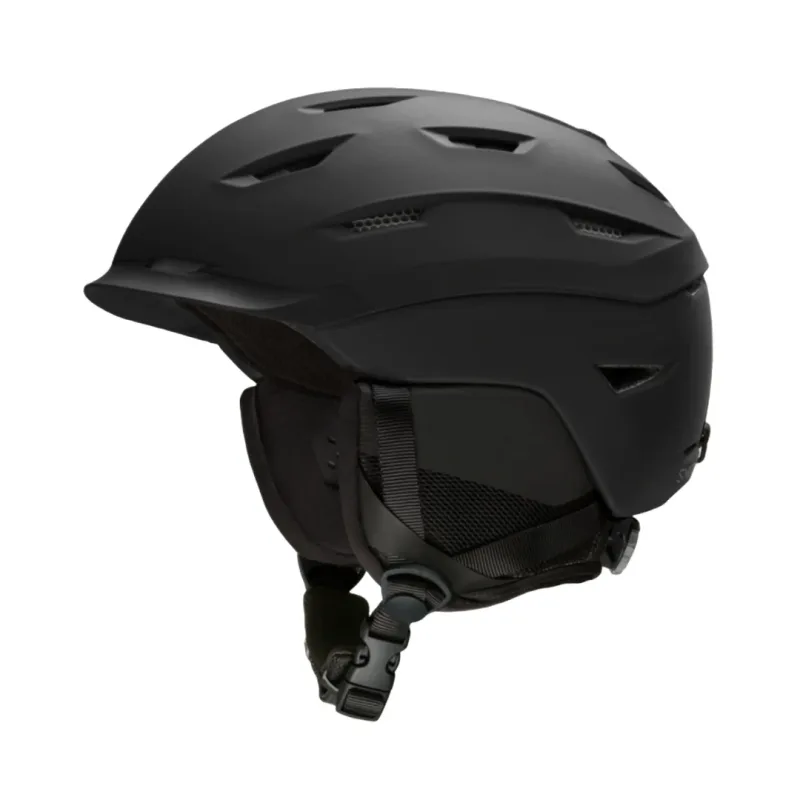
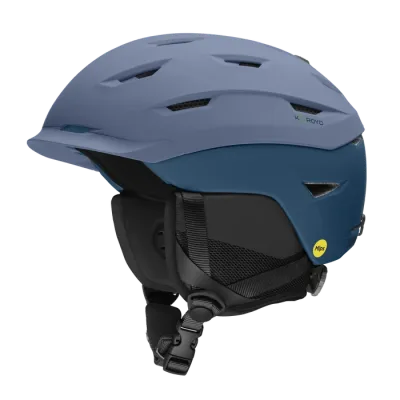
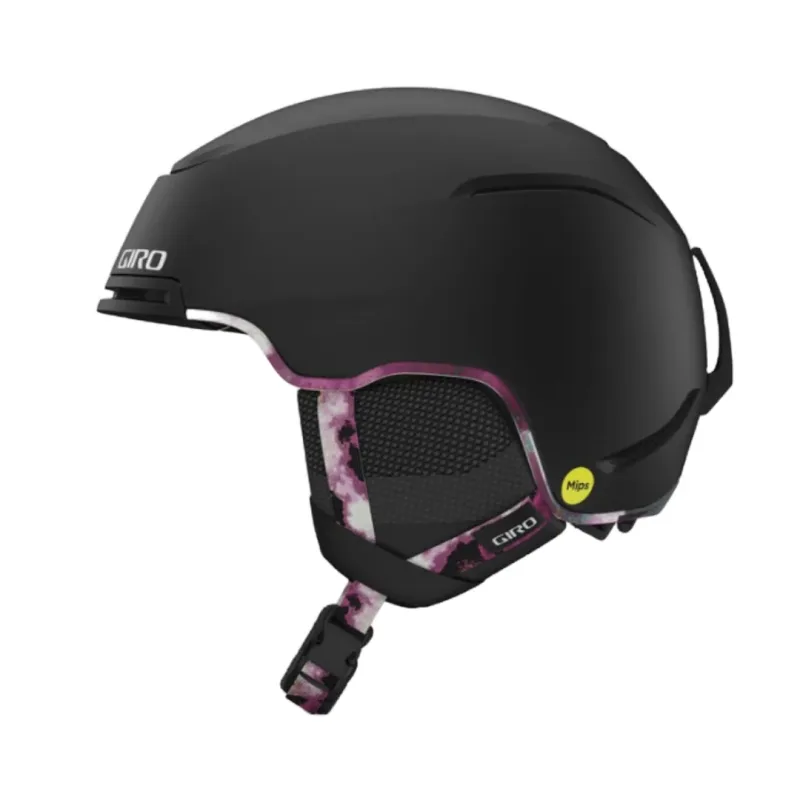
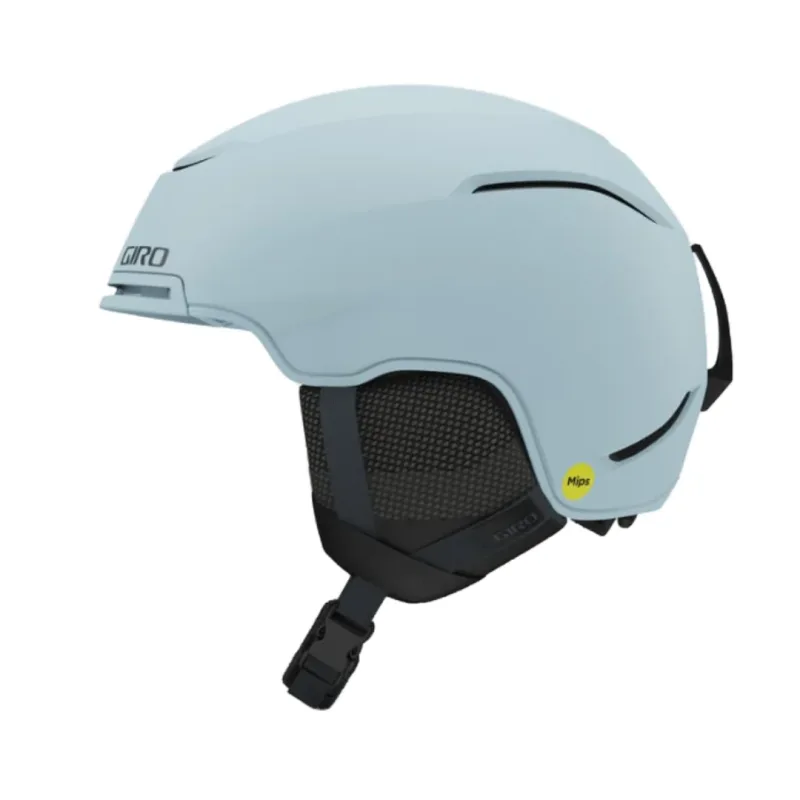
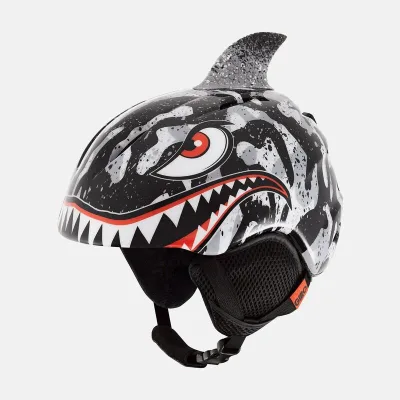
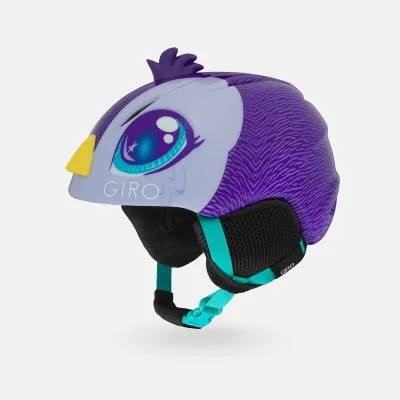
Popular choices include the Smith Vantage Mips® Helmet for all-mountain coverage, the Smith Level MIPS for a lighter feel, and the Giro Terra Mips® Helmet 2025 for a low-profile fit. Kids need the same protection in a smaller shell — the Giro Launch Plus Helmet is built for growing riders.
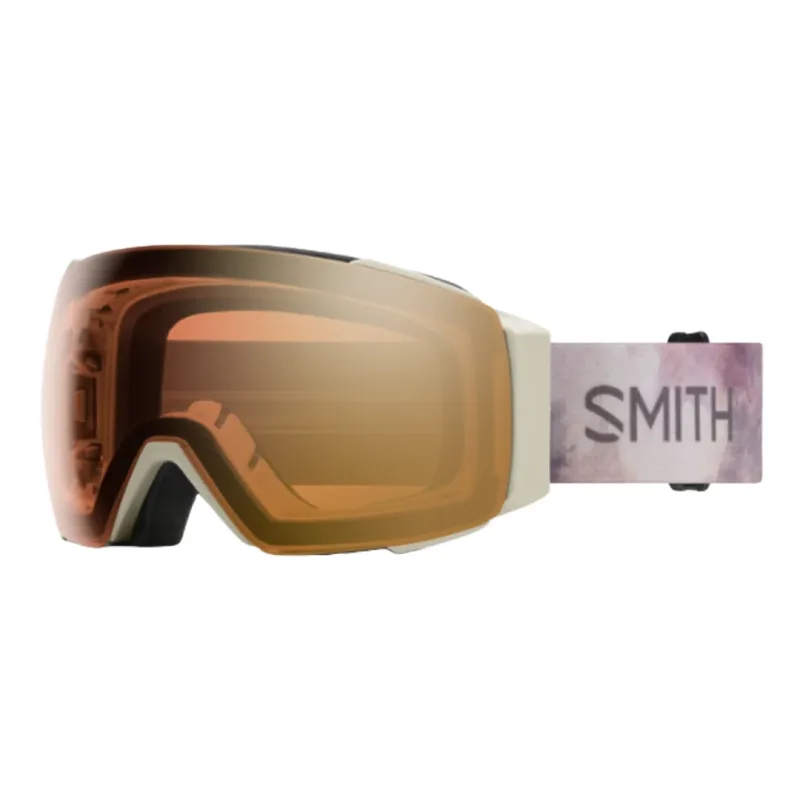
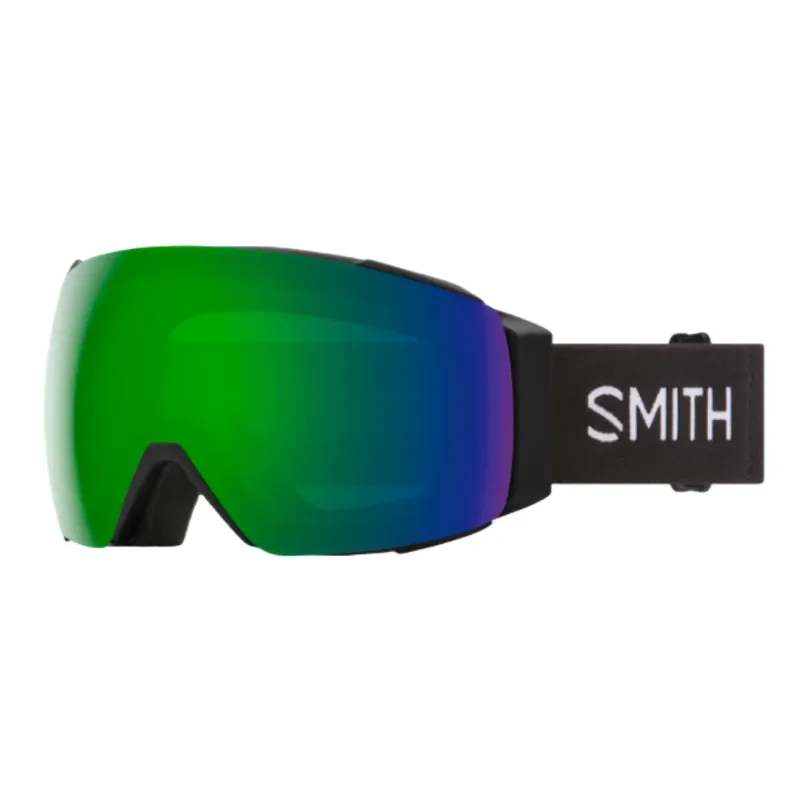
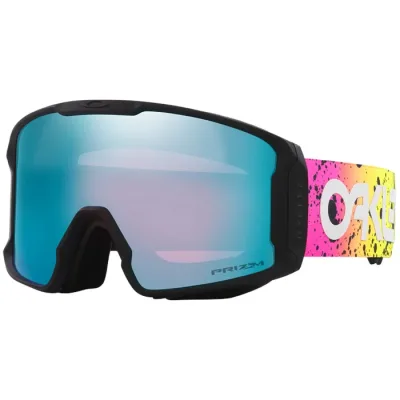
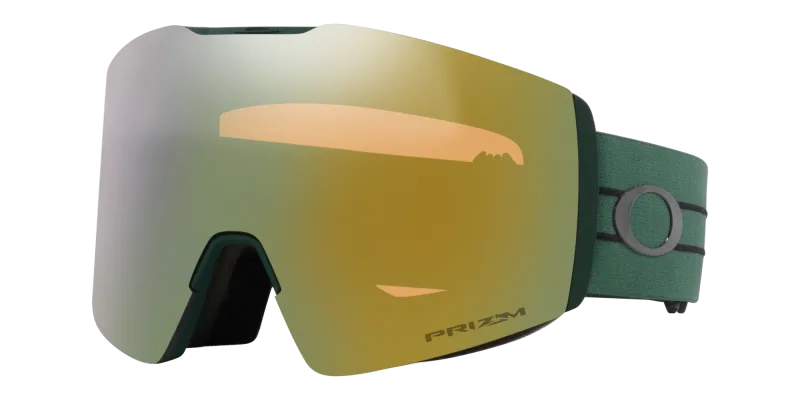
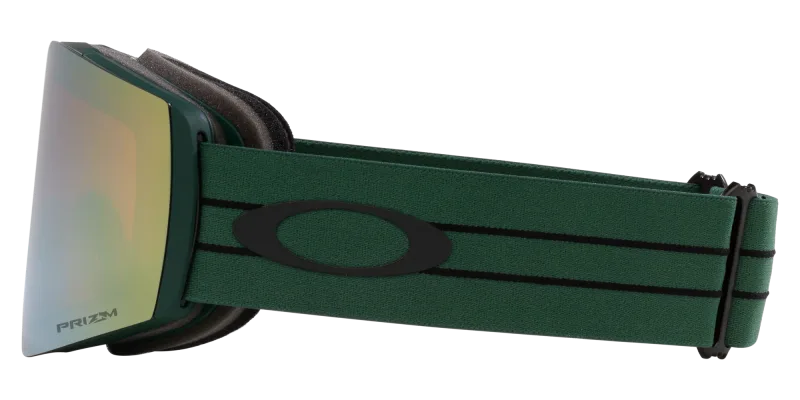
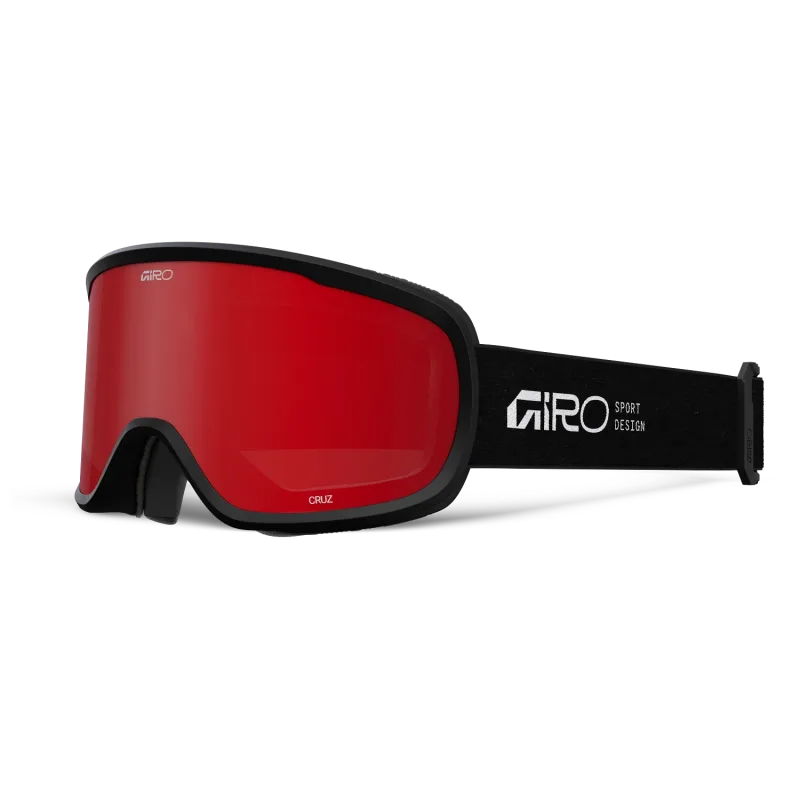
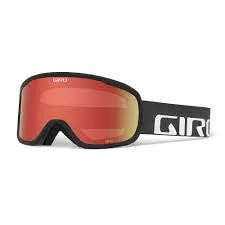
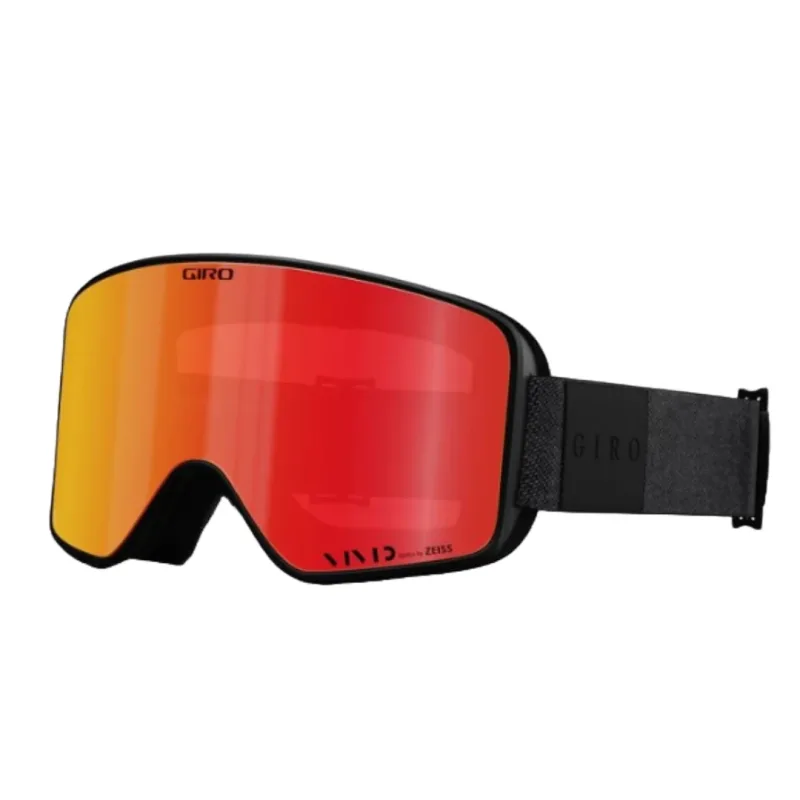
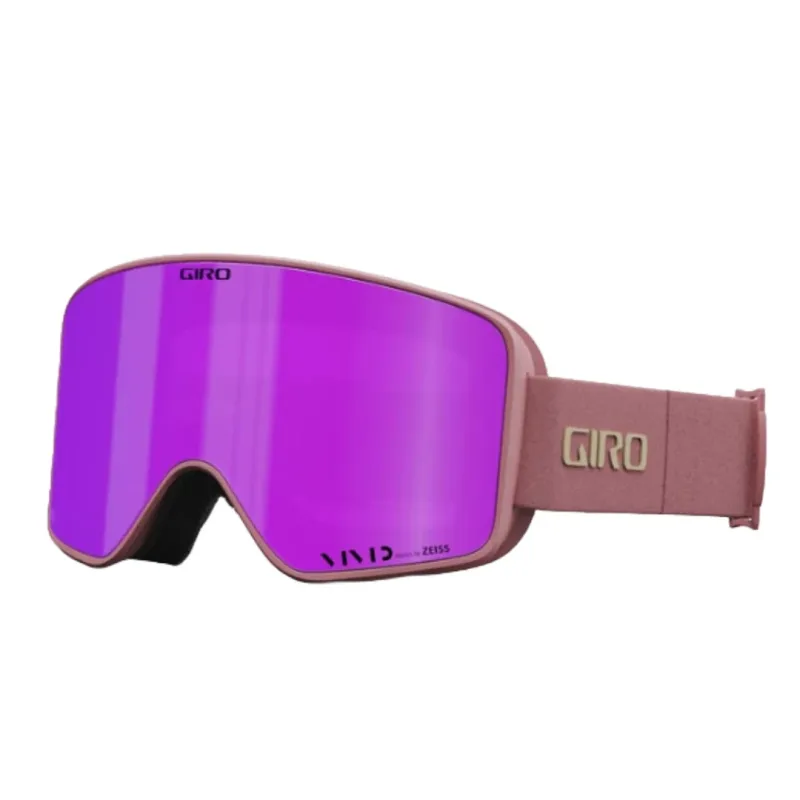
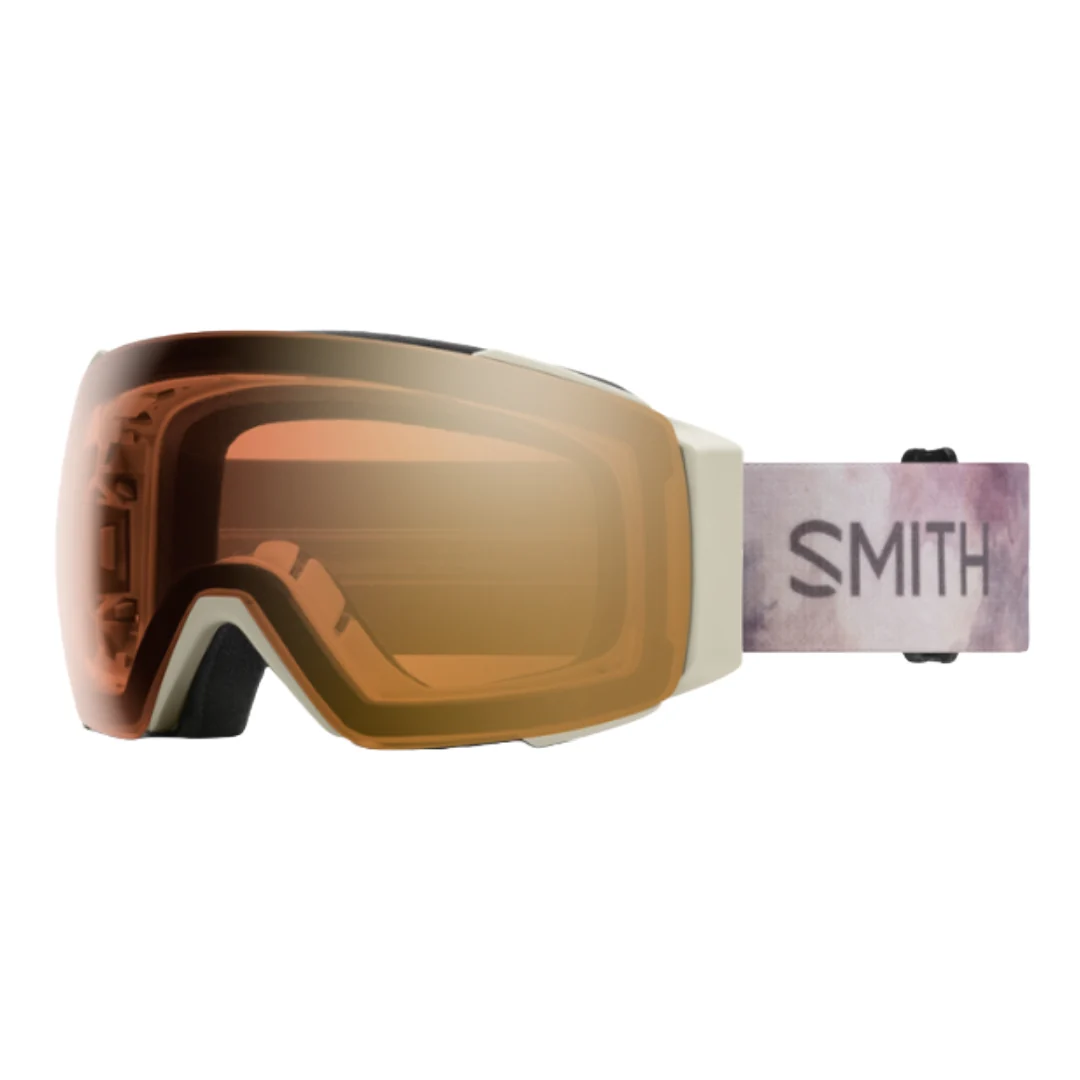
Goggles should sit flush against the helmet brim with no gap. The Smith I/O MAG uses magnetic lens swapping, which is handy when light changes fast. For a wider field of view, the Oakley Line Miner L and Oakley Fall Line L Goggles are strong picks. Budget-minded skiers can still get solid optics with the Giro Cruz Goggle or the Giro Method Goggle.
Skis and Boards: Match the Tool to the Terrain
Ski width, rocker profile, and stiffness determine how a ski behaves. Narrower skis with a waist in the 80s carve groomers and hold an edge on ice. Mid-90s waists handle mixed conditions, and anything over 100 mm floats in powder.
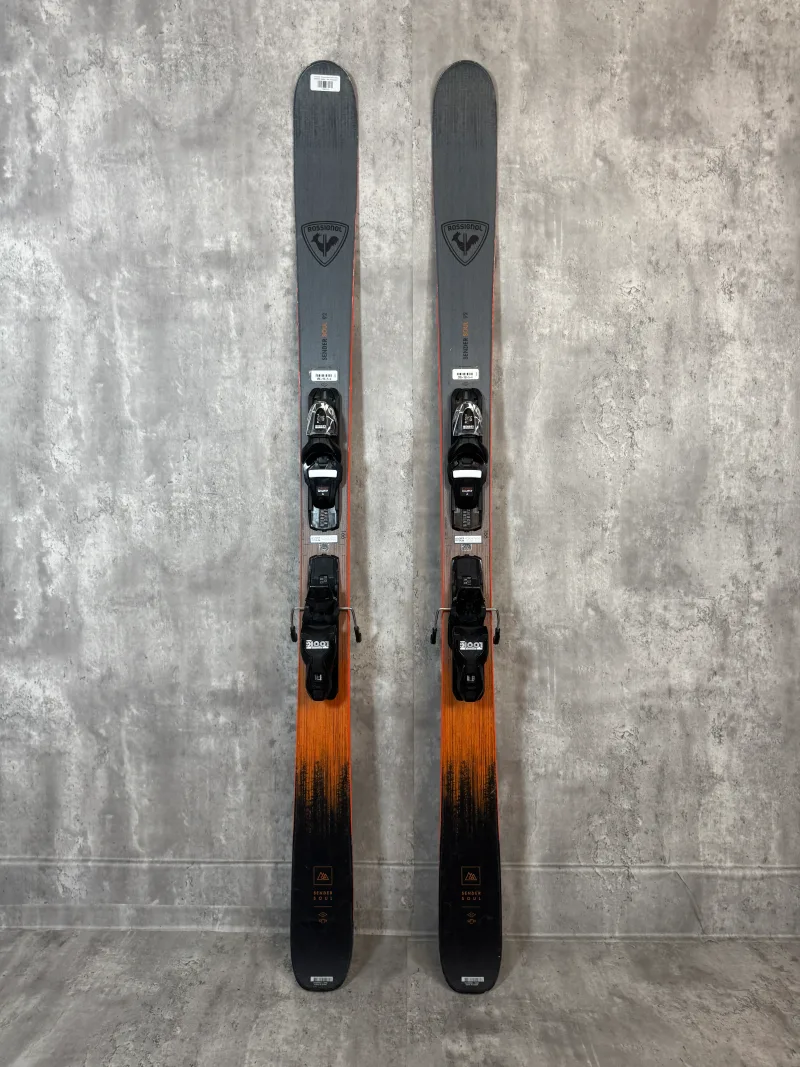
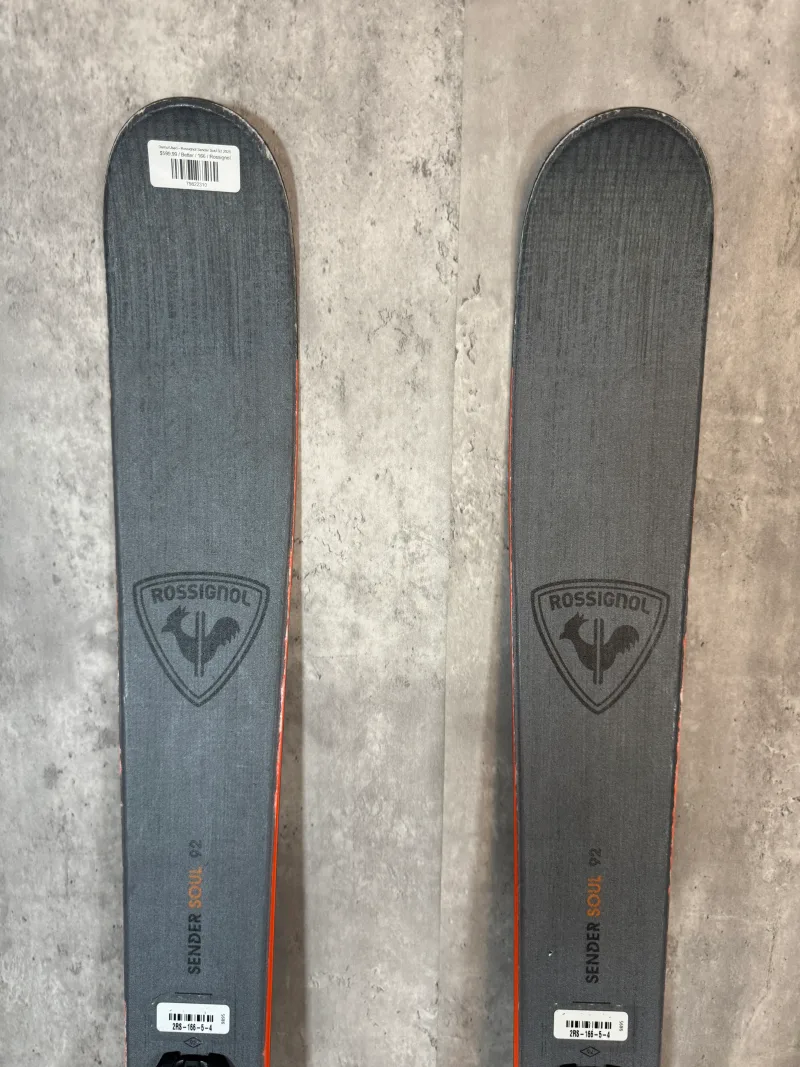
On the carving end, the Volkl Secret 102 W's Flat 2024 blends stability with enough width for soft snow. Freeride skiers who want a playful, surfy feel often look at Armada models, and the Demo/Used - Rossignol Sender Soul 92 2026 shows how a mid-90s waist can handle almost anything.
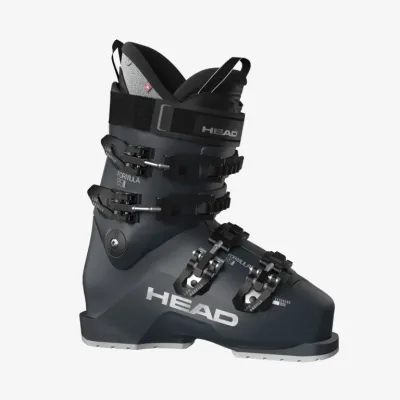
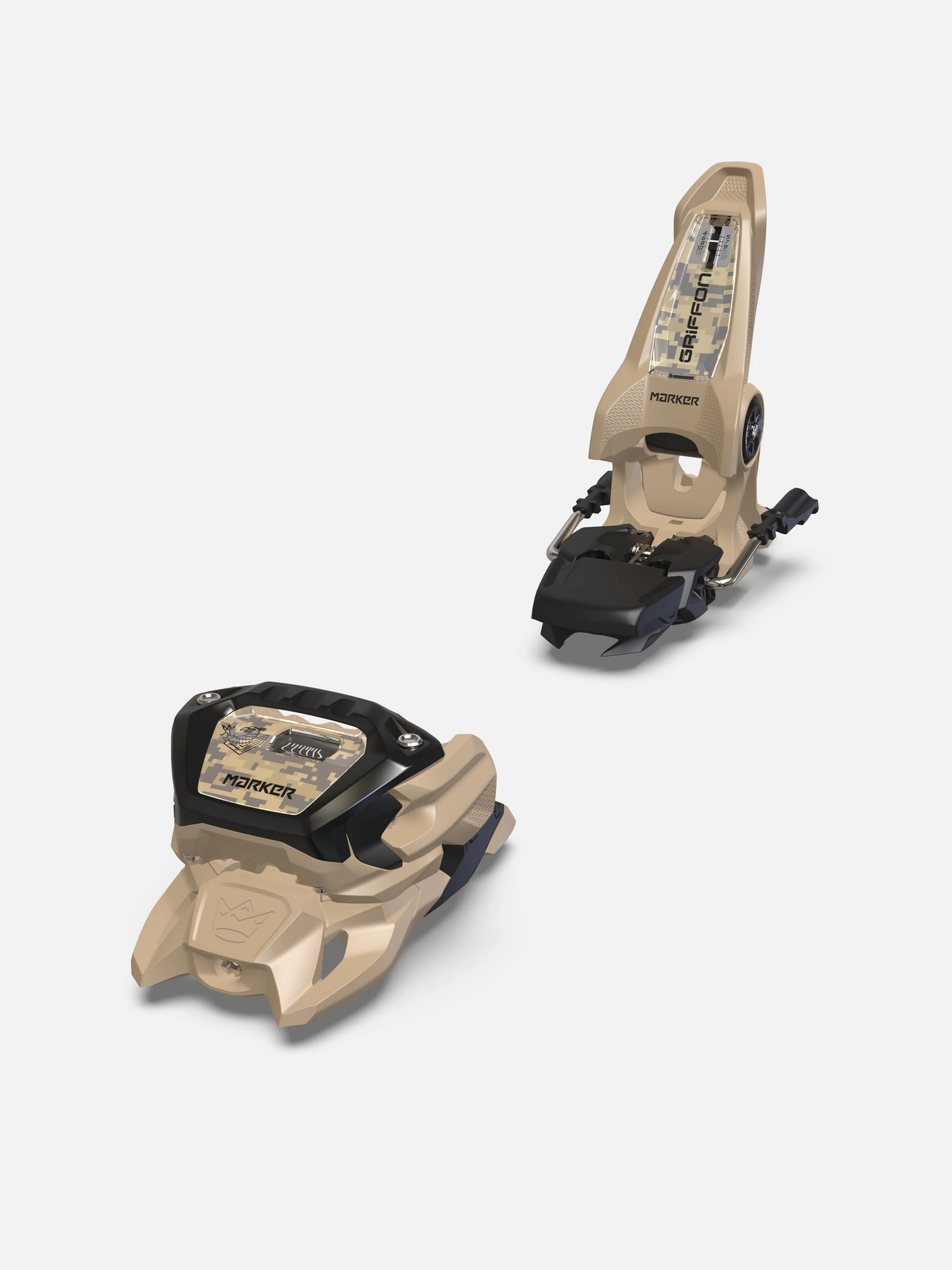
Boots matter just as much as skis. A boot that is too stiff or too soft will fight you all day. The Dalbello Panterra 85 W's 2023 and Head Formula 85 W's 2023 are approachable flex options for intermediate women, while the Nordica Cruise 75 W's suits newer skiers. Bindings like the GRIFFON 13 ID are a common match for all-mountain setups.
Shopping Used and Demo Gear With Confidence
Pre-owned and demo gear is the fastest way to get quality equipment without paying full retail. Demo skis are typically one season old and were maintained by a shop; used gear ranges widely, so inspect before you buy.
- Check the bases: light scratches are normal, but deep gouges that reach the core are a red flag.
- Look at the edges: they should be thick enough to tune again, without heavy rust or burrs.
- Inspect bindings: confirm they are indemnified and still serviceable by a shop.
- Ask about history: how many days, where it was stored, and whether it was ever repaired.
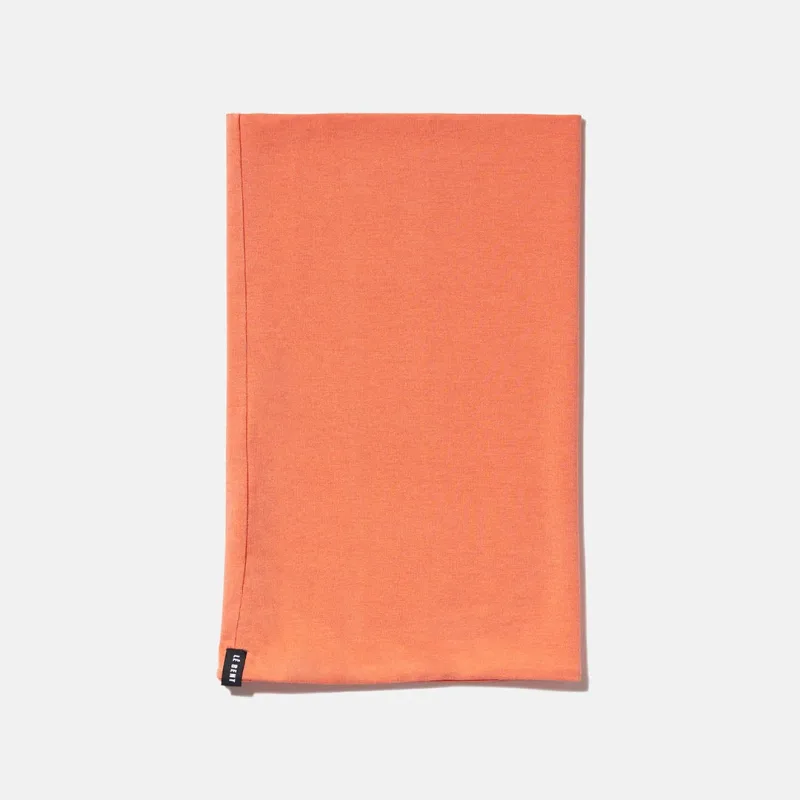
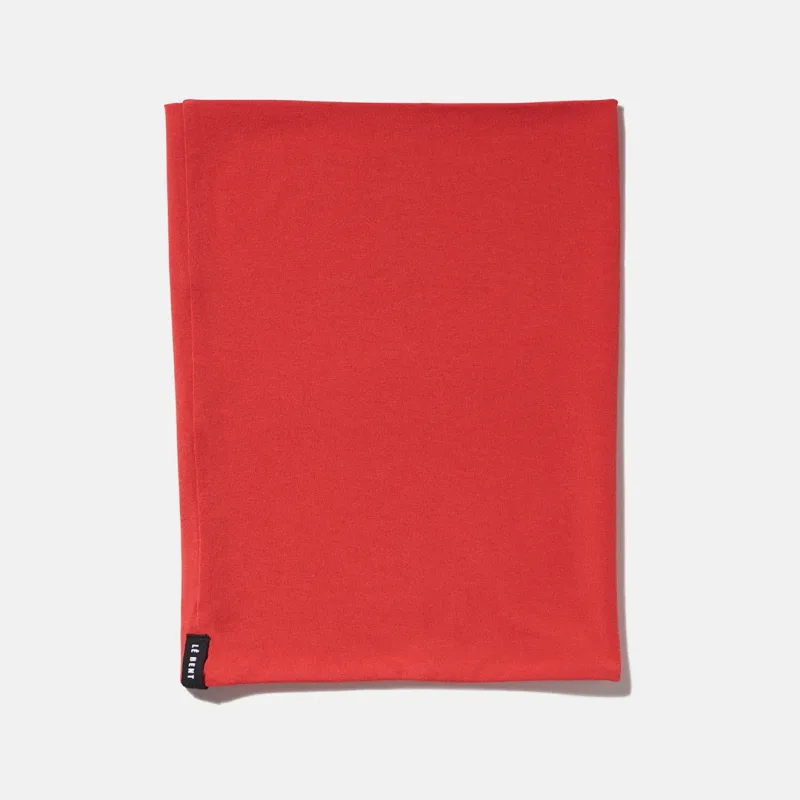
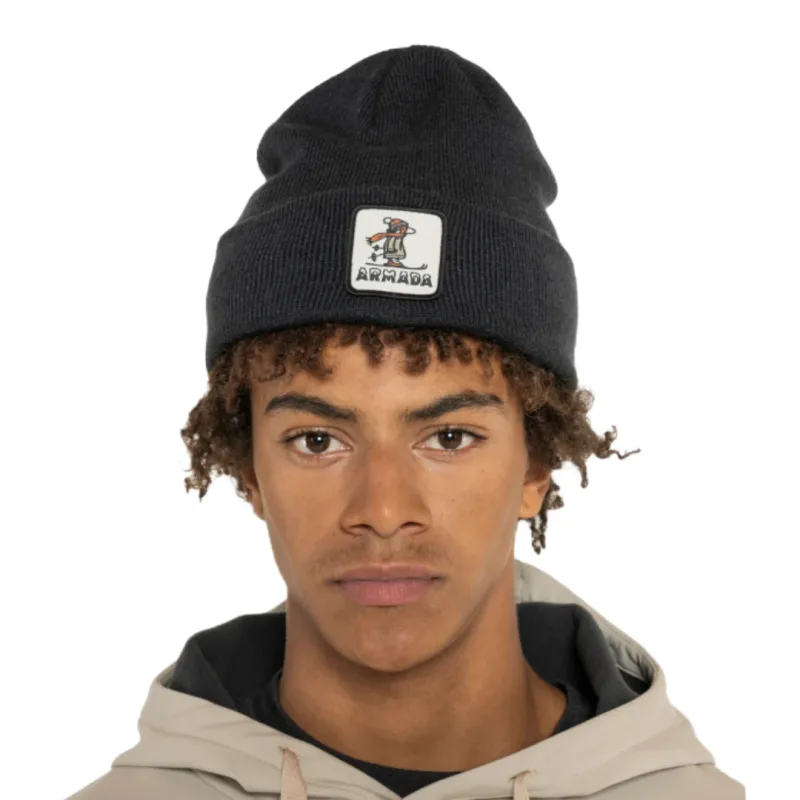
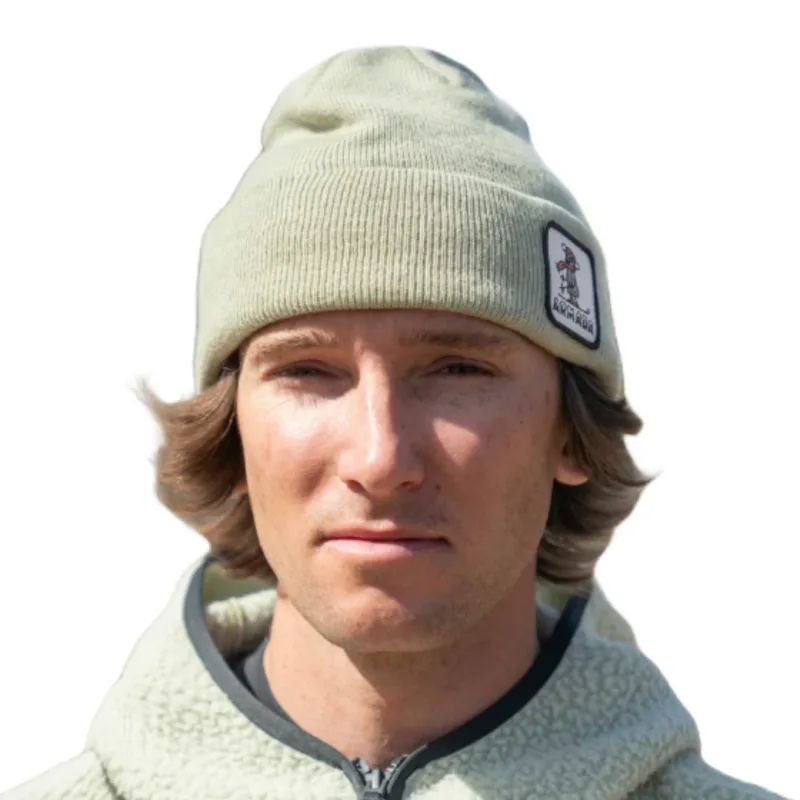
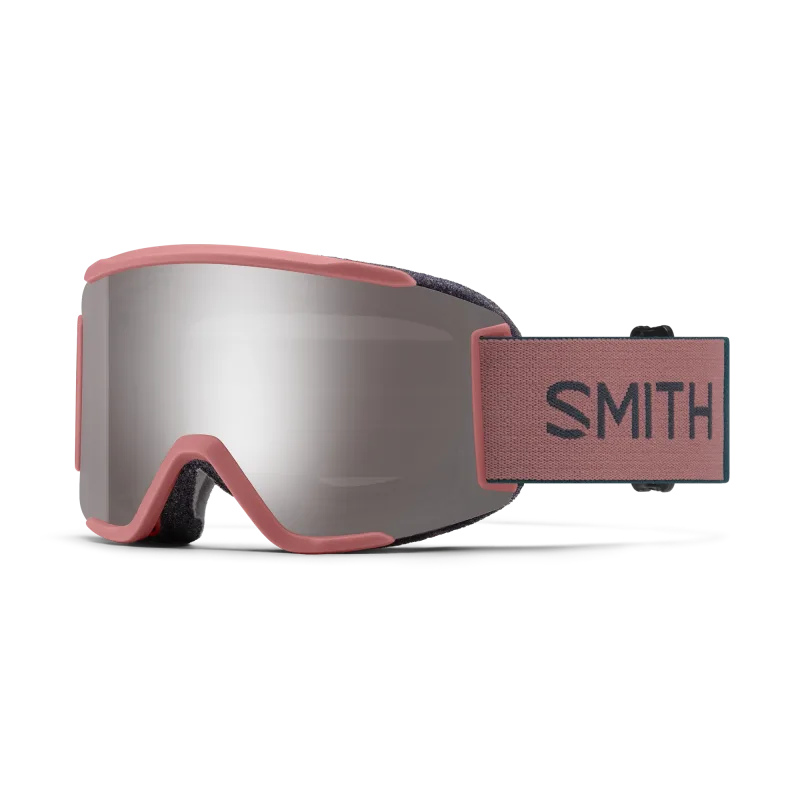
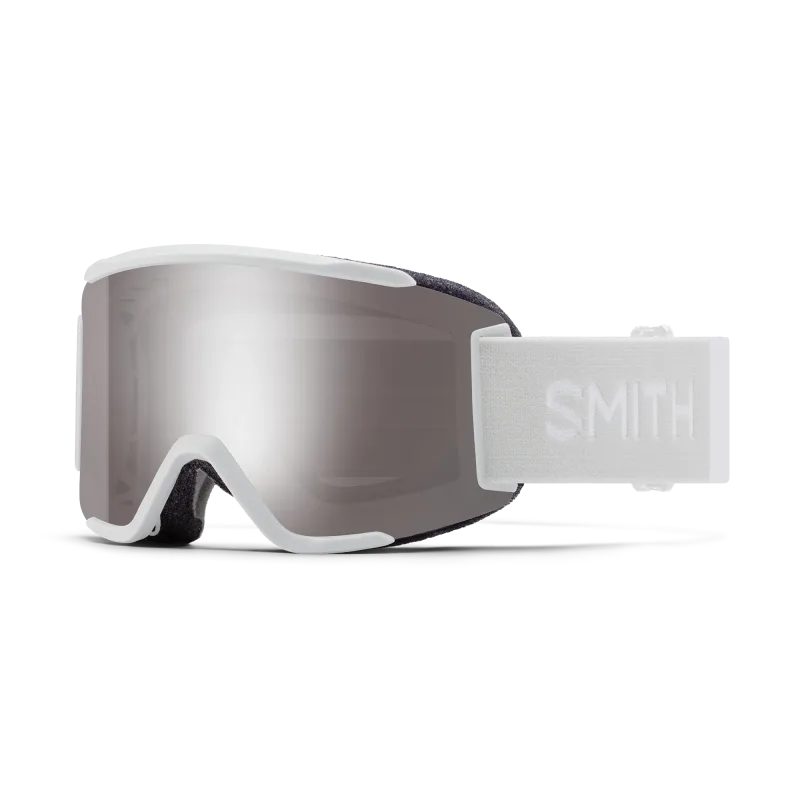
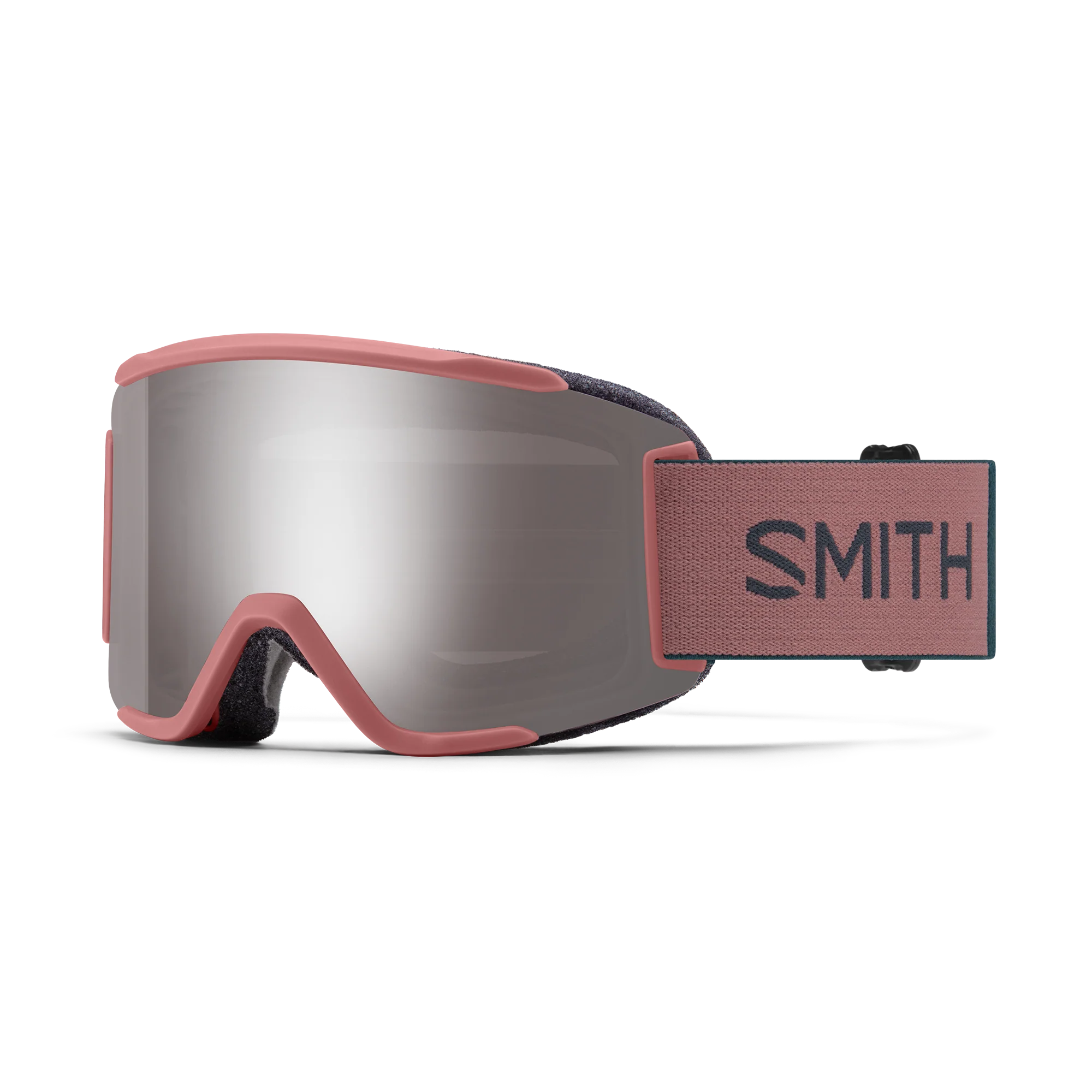
Small accessories are worth adding too. The Kids Neck Gaiter 260 and Armada Nunata Beanie keep young riders warm, and a Smith Squad S goggle is a great spare for flat-light days.
Final Thoughts
Good gear is not about buying the most expensive item on the wall. It is about layering correctly, choosing a shell and pants that match your climate, getting a helmet that fits, and picking skis that suit how you actually ride. Start with the pieces you wear every day, then expand from there. If you are local to Park City, stop in and try things on — fit beats specs every time.