Start With the Base Layer Most People Skip
Park City weather does something annoying around 1 p.m. The morning gondola ride has you zipped to the chin, then the sun clears the ridge and suddenly you're sweating on the Quittin' Time run. A fleece vest solves that. It traps heat against your core, leaves your arms free to move, and packs into a small pocket when the afternoon warms up.
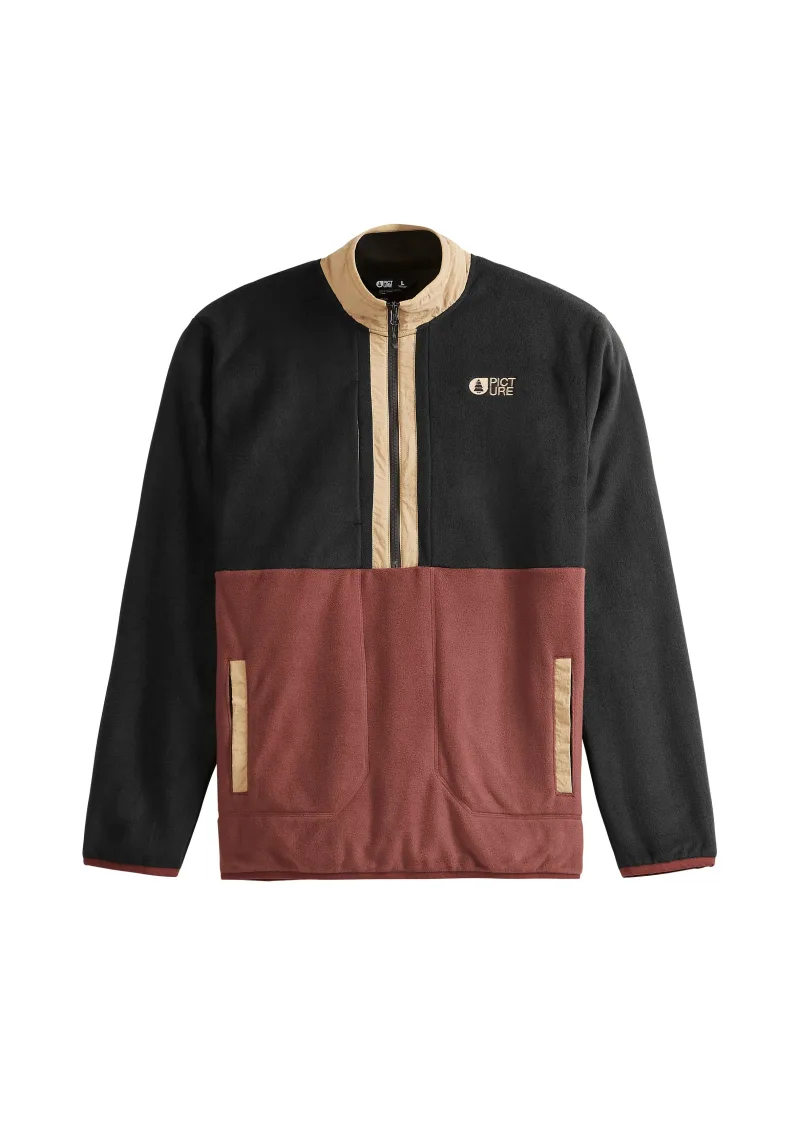
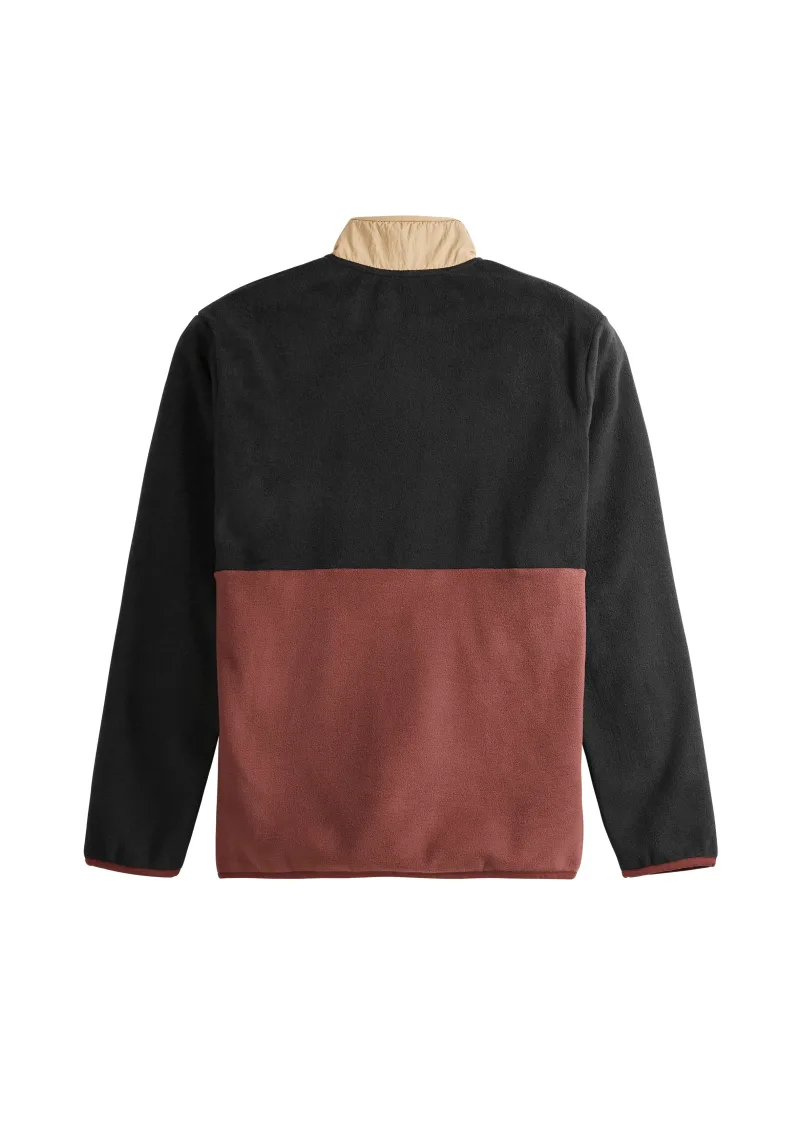
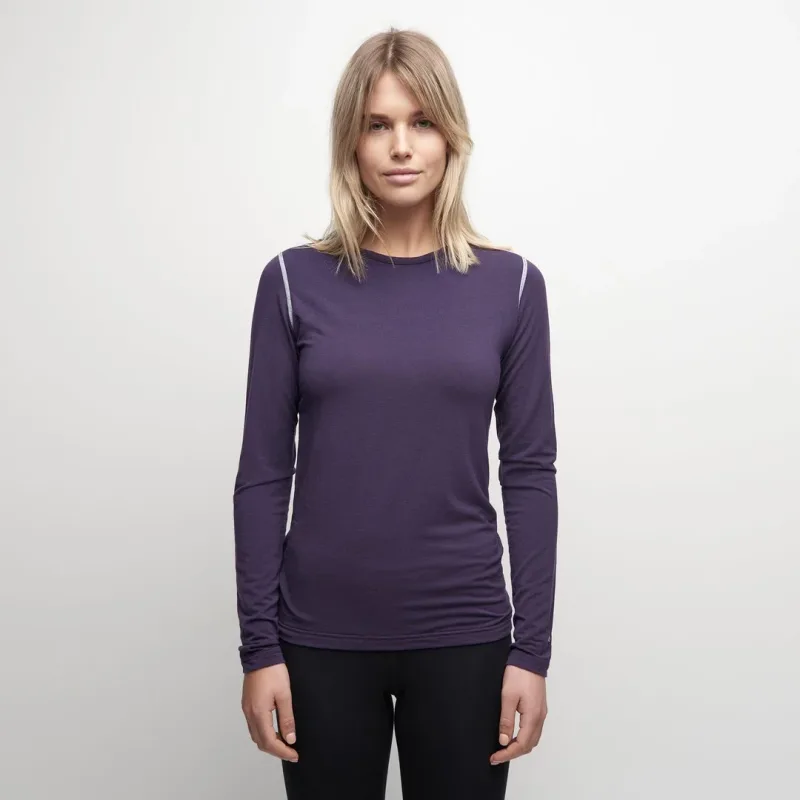
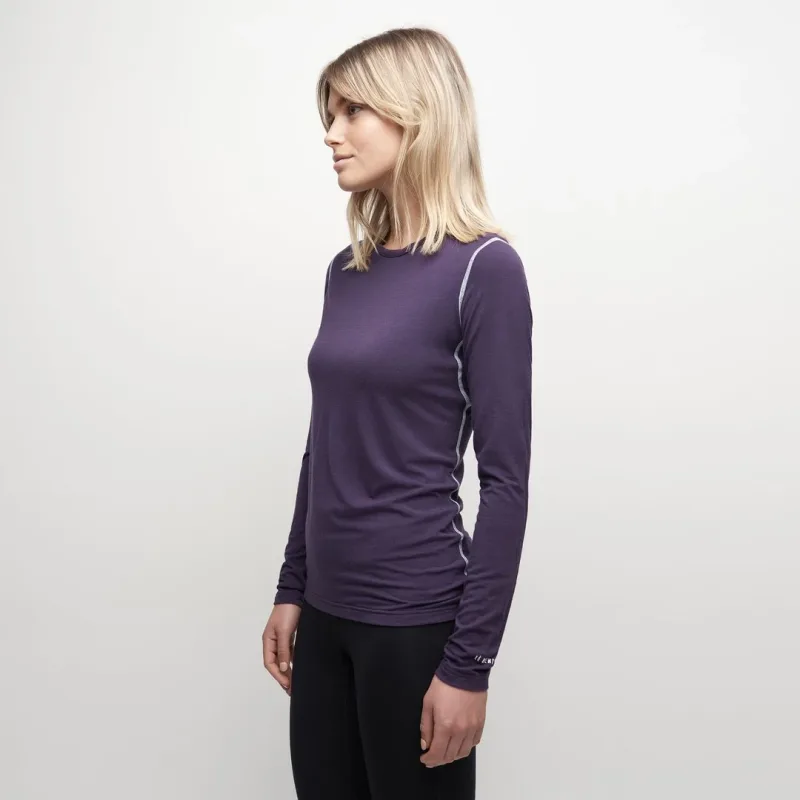
Slip a Picture Mathew 1/4 Fleece over a thin merino crew — something like the Le Bent Women's Crew 200 Nightshade works well because it breathes instead of turning into a wet sponge. Then add the vest, then the shell. Three thin layers beat one thick puffy almost every day here.
Shells and Pants That Handle Wet Snow
Utah snow is famously light, but storm days up around Jupiter Bowl can turn soggy fast. That's when a waterproof shell earns its keep. A jacket like the Picture Takashima Jacket keeps the wet out without the crinkly plastic feel, and pairing it with bibs means snow stays out of your waistband when you tomahawk through the powder.
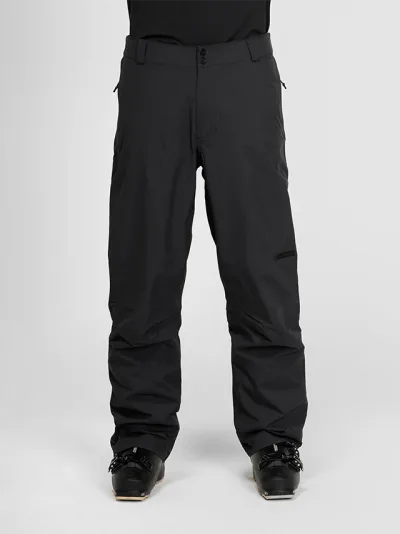
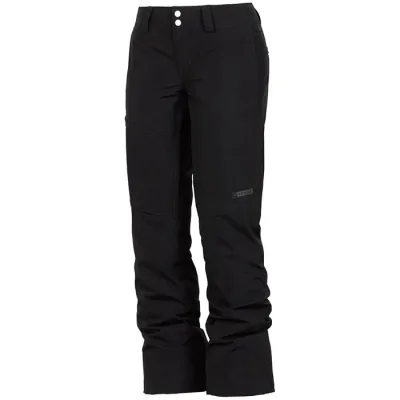
Bibs versus pants is a real decision, not a marketing one. Bibs win on deep days and for anyone who runs cold. Pants win in the spring and for anyone who hates a bathroom struggle in a crowded lodge. If you go the pants route, the Armada Chairman Pants give you a clean fit with room for a base layer underneath. For full coverage, the Armada Trego 2L GoreTex Insulated Pants handle slush, wind, and the icy walk from the parking lot.
Head and Hands: Small Gear, Big Difference
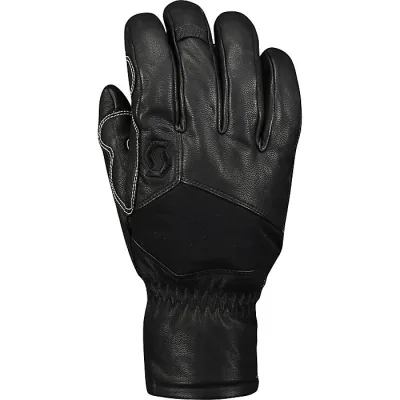
Cold fingers ruin a good day faster than bad snow. Pair your jacket with gloves that actually fit under a cuff — the Scott Explorair Plus Glove is a solid mid-weight option, and the Scott Explorair Premium GTX Glove steps up when it's actively snowing and your hands are soaked by run three.
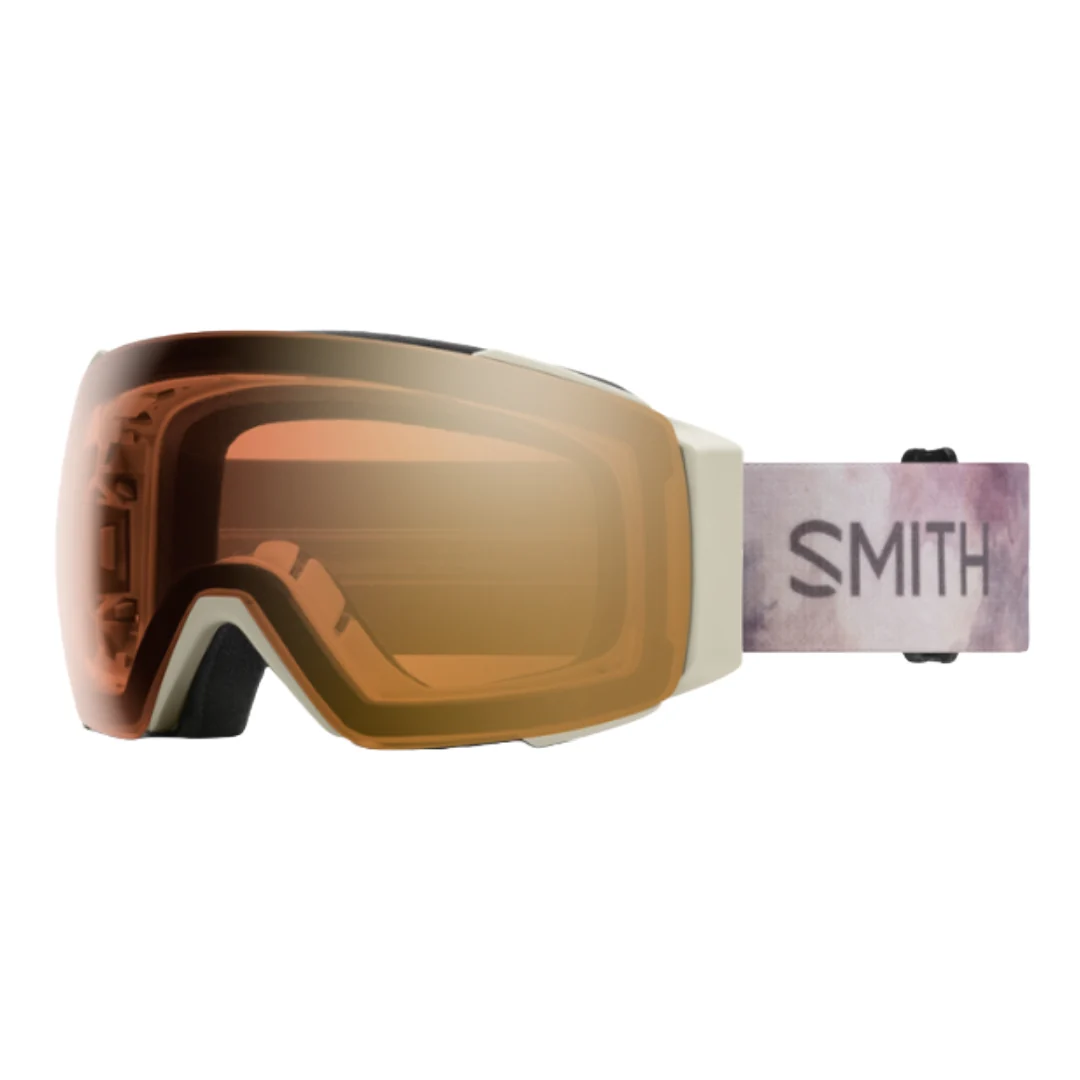
On your head, fit matters more than brand. A helmet and goggle combo that leaves a gap on your forehead is a wind tunnel. A beanie under the helmet fills that gap and keeps your ears from going numb on the lift. The Armada Nunata Beanie and a Cord Lock Fleece Beanie both sit flat without bunching. Add a neck gaiter for the rides up — the Kids Neck Gaiter 260 works for adults too, and it's cheap insurance against a frozen chin.
Getting Kids Dressed Without a Meltdown
Kids run hotter than adults, then crash hard when they stop moving. Resist the urge to over-layer. One base layer, one fleece, one waterproof shell is usually enough for a five-year-old lapping the magic carpet at Park City Mountain.
Sizing is the part parents get wrong most. A youth jacket should leave room for a fleece without swallowing their hands. If your kid is between sizes, size up — they'll grow into it by February anyway. Check that the hood fits over a helmet, and that the cuffs actually cinch. Boulder Gear Youth Ravish, Lyric II, and Tatum jackets all cut a bit roomier than the size tag suggests, which is exactly what you want for a growing kid.
Used Skis: What's Actually Worth Buying
A used demo ski is the smartest money in skiing if you know what to look at. Flip it over and run a fingernail along the edge — if you catch on deep gouges near the contact points, walk away. Check the base for core shots (dark, deep scratches that reach the wood). Light scratches are normal and P-Tex fixes them in ten minutes.
Bindings matter too. Anything older than about ten years may no longer be indemnified, which means a shop won't touch it for adjustments. That's a hard stop, no matter how good the price looks.
When you're ready to compare new against used, come by the shop and put both in your hands. Standing in the boot room with your own skis under you beats reading specs online every single time.