Why Layering Matters for Youth Ski Days
Kids run hot on the lift and cold on the ride up. The fix isn't one magic jacket — it's a system. Start with a moisture-wicking base layer, add a warm fleece or puffy midlayer, then finish with a waterproof, breathable shell. This three-part approach lets you adjust on the fly: strip the midlayer for a sunny spring afternoon, add it back when the storm rolls in.
Look for a waterproof rating of at least 10K for resort skiing, fully taped seams, and a powder skirt that actually snaps. A hood that fits over a helmet, adjustable cuffs, and a sleeve length that still covers the wrist when arms are raised are the details that separate a jacket kids tolerate from one they ask for.
Matching Youth Jackets and Pants
Sets make mornings easier and keep the snow out, since jacket-and-pant combinations are designed to overlap. The Boulder Gear Youth Lyric II Jacket pairs naturally with the Youth Ravish Pant — both are built for growing kids who need room to move, with reinforced knees and hems that survive sledding, lift-line sitting, and the occasional tumble.
For a slightly different fit and feature set, the Youth Tatum Jacket and Youth Surge Pant offer the same thoughtful construction with their own cut and color story. When you're comparing, check three things: whether the pants have adjustable waist tabs, whether the jacket hem stays put when a kid bends over, and whether the insulation is mapped so it's warmer in the core and lighter in the arms.
Fit, Warmth, and Growth Room
Kids' ski clothing should fit now, not next season. A jacket that's two sizes too big lets cold air pool around the torso and can catch on chairlift bars. Aim for a fit that allows a midlayer underneath and one finger's width of room at the shoulders.
- Pants: Hem should touch the top of the boot without dragging on the ground. Adjustable suspenders help during growth spurts.
- Jackets: Sleeves should reach the wrist bone, not past the knuckles.
- Insulation: Synthetic fills stay warm if they get damp, which matters for kids who play in the snow.
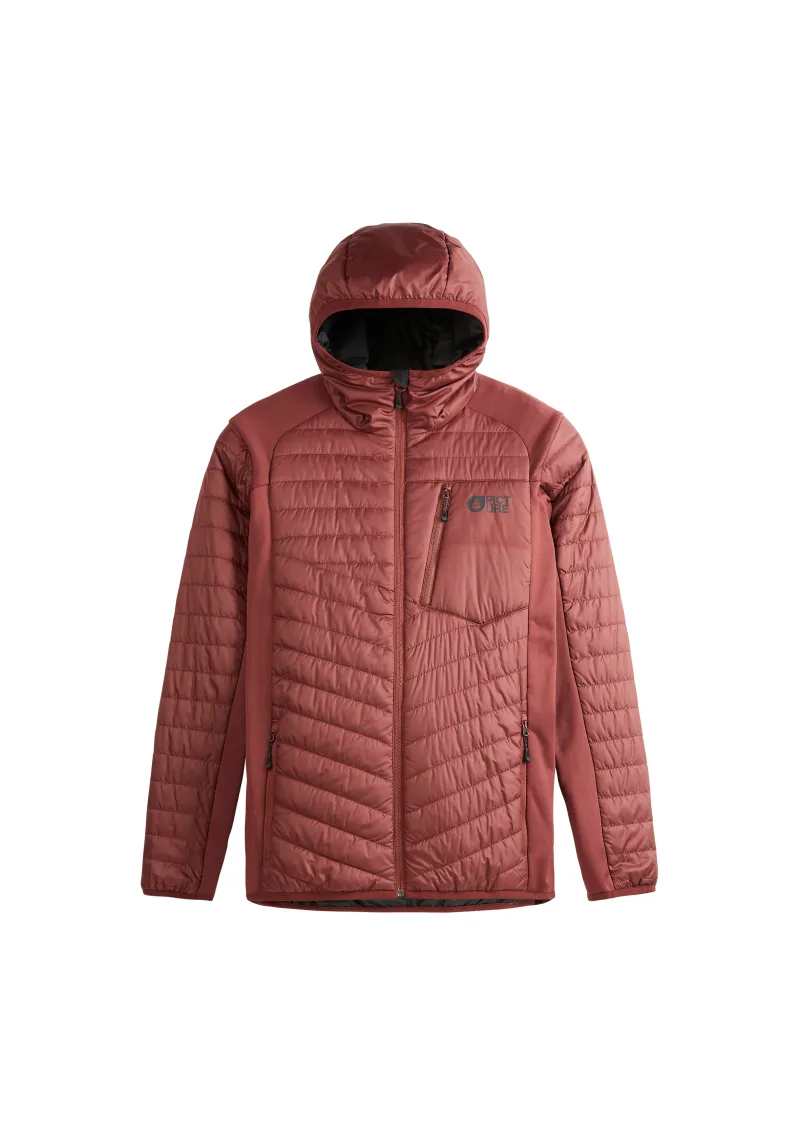
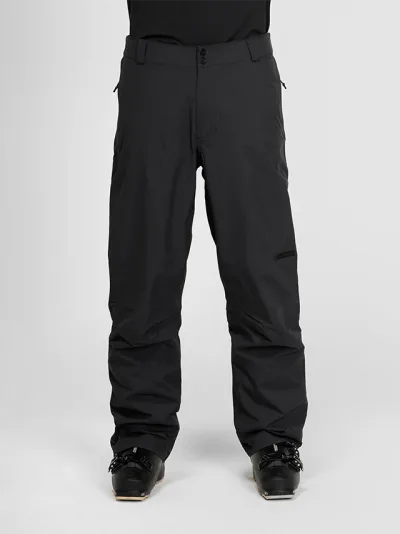
If you're shopping for a family, it also helps to look at how adult pieces are layered so you can explain the system to your kids. A quick browse of a Picture Takashima Jacket or a Armada Chairman Pants shows the same shell-plus-midlayer logic in grown-up sizing.
Helmets and Accessories Complete the Kit
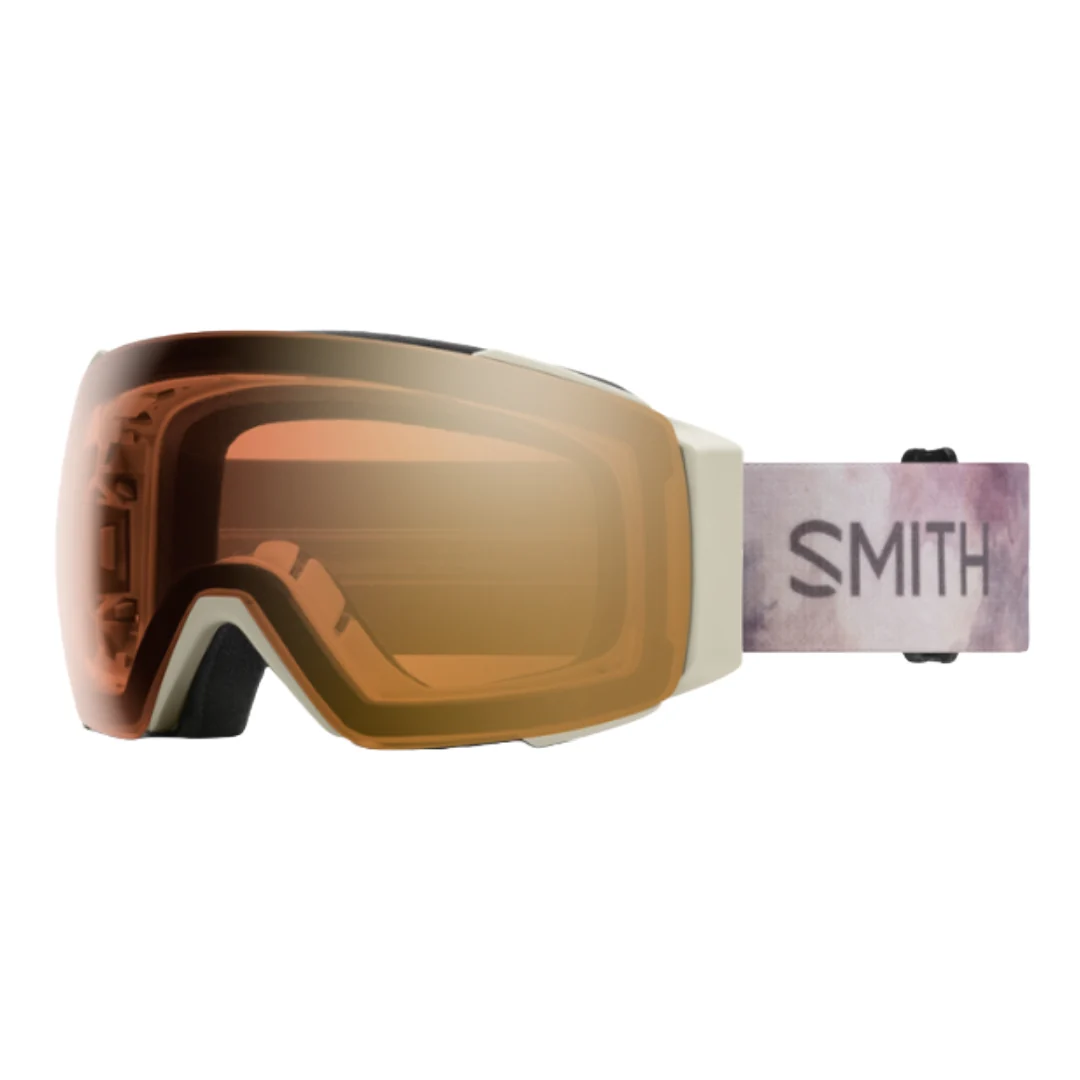
A helmet is not optional for young skiers. Look for MIPS or a similar rotational-impact system, a dial-fit adjustment, and a shape that works with the goggles you own. The Giro Jackson Mips® Helmet is a popular youth-friendly option, and the Armada Birdsey Reversible Beanie adds a warm, packable layer for the ride to the mountain or a lunch break.
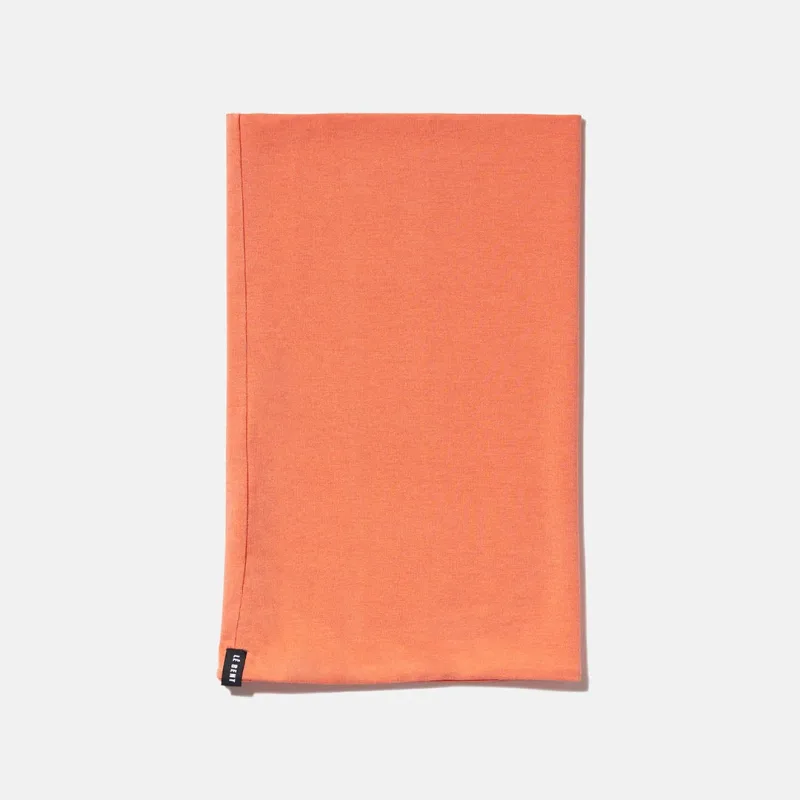
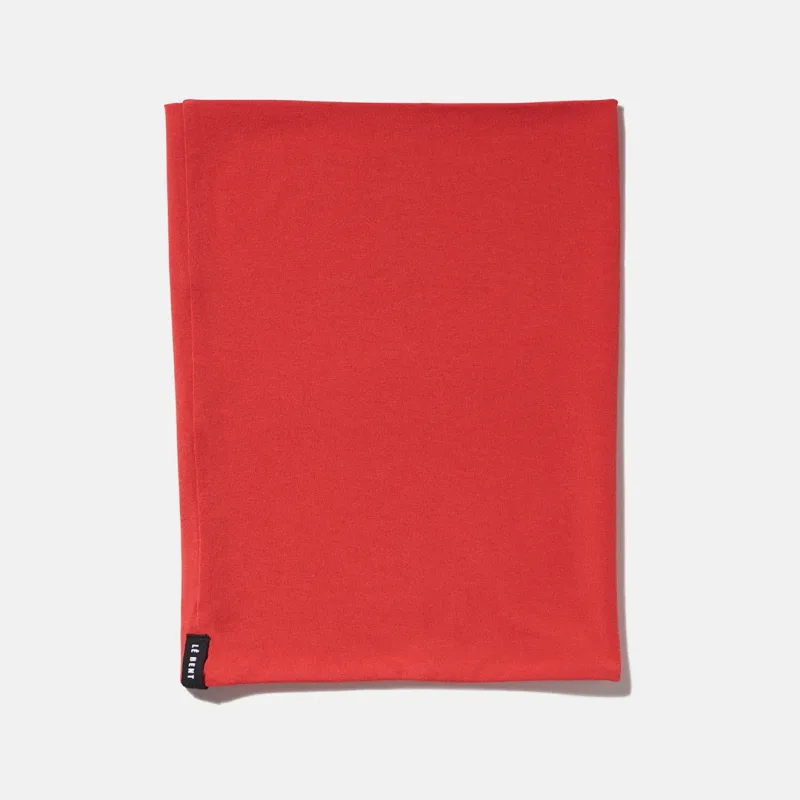
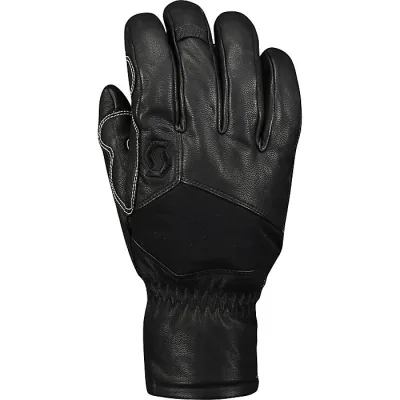
Don't forget the small stuff: a neck gaiter keeps wind off the chin, and mittens are warmer than gloves for little hands. The Kids Neck Gaiter 260 is an easy add-on, and a spare pair of Scott Explorair Plus Glove in the pack means no one has to ski with wet hands.
When to Consider Used Gear and Demo Skis
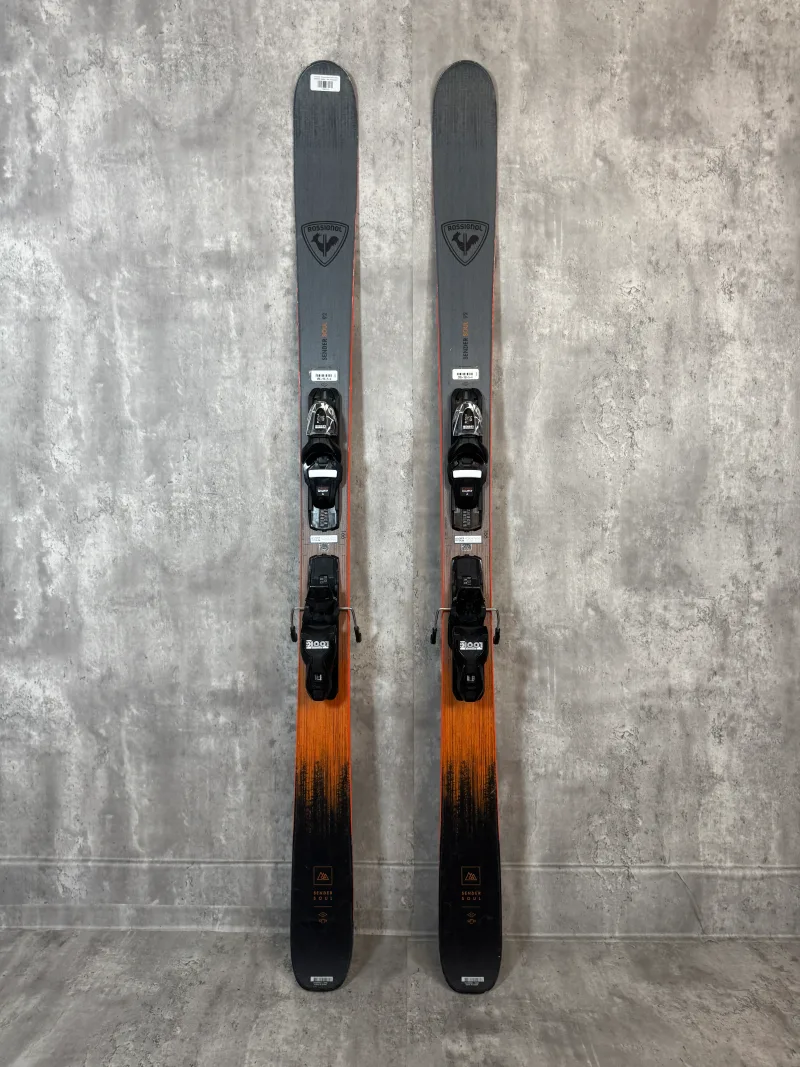
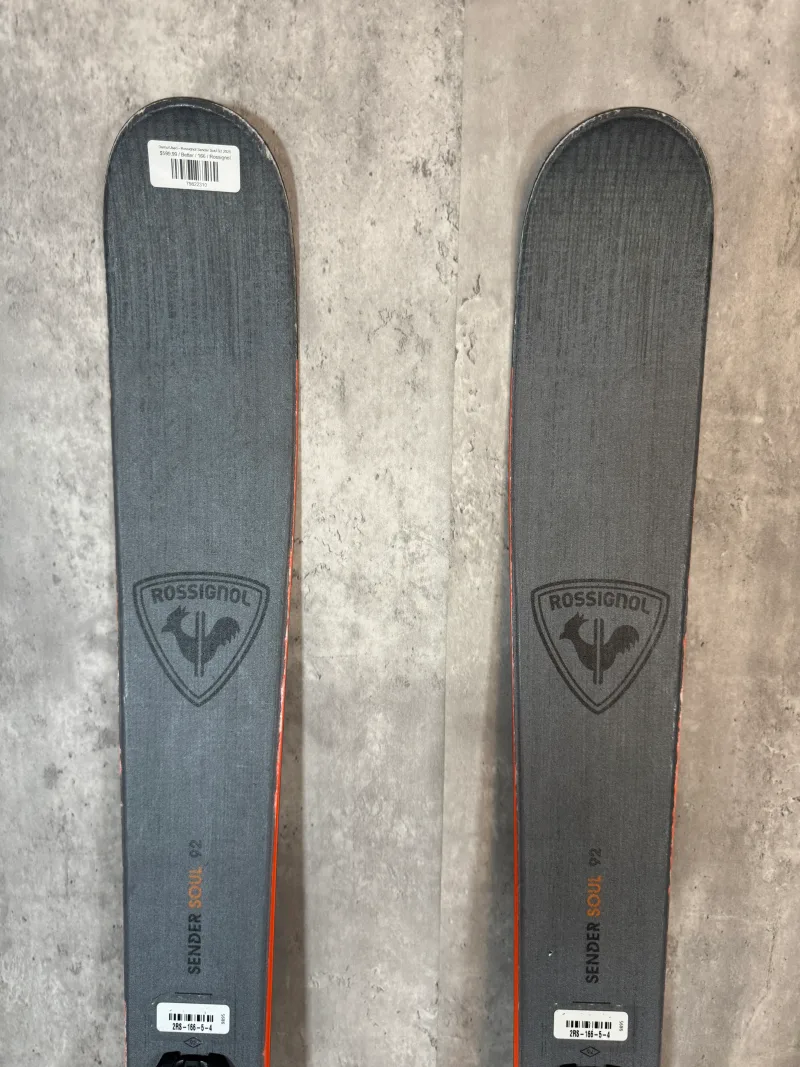
Kids outgrow gear before it wears out, which makes the used market genuinely smart. A gently used jacket or pant set can cost a fraction of new, and demo skis let you test a length before committing. If your child is between sizes or just learning, a Demo/Used - Rossignol Sender Soul 92 2026 is a practical way to get on snow without a big investment.
Inspect used items for delaminated seams, worn cuffs, and missing zipper pulls. Wash and re-waterproof shells before the season starts, and check that helmet foam isn't cracked — a damaged helmet should be replaced, not handed down.
Build the kit in layers, prioritize fit and waterproofing, and let your kids pick a color they're excited about. That combination gets them out the door faster on powder mornings.